Why Electric Bikes Are the Future of Eco Friendly Transportation
By ADDMOTOR | 28 November 2025
_1747815633.webp)
Cities across the globe are facing a turning point. Traffic congestion, rising fuel costs, and worsening air quality are forcing individuals and communities to rethink how they move. While electric cars often dominate headlines, another solution is quietly transforming urban mobility: the electric bike.
Affordable, energy-efficient, and accessible, the electric bicycle is proving to be one of the most practical answers to the challenge of eco-friendly transportation. It’s not just a cycling trend — it’s a lifestyle shift, a technological innovation, and a cultural movement all rolled into one. For many riders, the ebike represents freedom, sustainability, and convenience in a single package.
Environmental Benefits of Electric Bikes
The environmental case for electric bikes is undeniable. Unlike cars or motorcycles, electric bicycles produce zero direct emissions. Every ride replaces a car trip that would otherwise contribute to greenhouse gases, making them one of the simplest ways to reduce personal carbon footprints.Charging an ebike battery requires only a fraction of the energy consumed by an electric car. This efficiency means that riders can travel significant distances while using minimal electricity, positioning the electric bike as one of the most sustainable transport options available.
Cleaner air is another direct benefit. With fewer cars on the road, levels of nitrogen oxides and particulate matter drop, improving urban air quality. Noise pollution also decreases, as the quiet hum of an electric bicycle contrasts sharply with the roar of engines. Together, these changes create calmer, healthier, and more livable neighborhoods.
Health and Lifestyle Advantages
The benefits of electric bikes extend well beyond sustainability. They encourage physical activity while removing barriers that prevent many people from cycling. Pedal assist technology allows riders to control effort levels, making cycling possible for seniors, commuters, and those recovering from injury.Cycling regularly improves cardiovascular health, strengthens muscles, and enhances balance. At the same time, outdoor riding provides mental health benefits by reducing stress, boosting mood, and combating seasonal fatigue. For commuters, arriving at work energized instead of exhausted is a lifestyle upgrade that blends fitness with convenience.
Unlike gym workouts, riding an ebike can be seamlessly woven into daily routines. Whether it’s commuting to work, running errands, or enjoying leisure rides, the electric bicycle turns everyday travel into an opportunity for movement, fresh air, and mental clarity.
Cost Savings and Accessibility
Financially, electric bicycles are one of the most cost-effective transport options available. Compared to cars, they have lower upfront costs, minimal maintenance expenses, and no fuel bills. The savings add up quickly, making the electric bike an attractive choice for budget-conscious commuters.Charging an ebike battery is remarkably affordable. A full charge often costs less than ten cents, compared to the fifty to one hundred dollars required to fill a gas tank. This affordability makes electric bicycles not only eco-friendly but also economically sustainable.
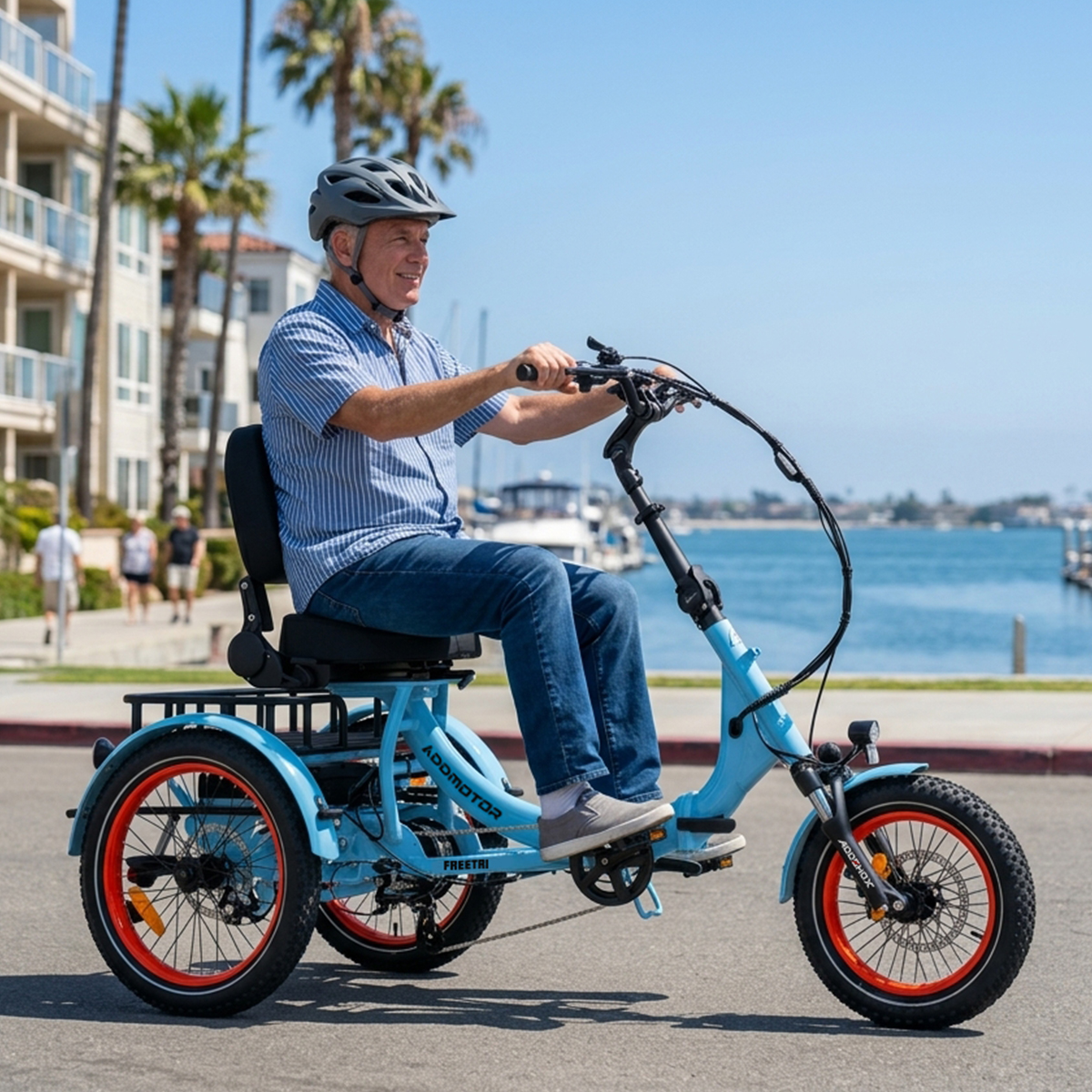
Accessibility is equally important. Electric bikes are suitable for diverse age groups and fitness levels. Seniors appreciate the ease of pedal assist, while students and professionals value the affordability and convenience. This inclusivity positions the electric bicycle as one of the most democratic forms of eco-friendly transport.
Challenges and Opportunities
No innovation is without challenges, and electric bikes are no exception. Battery recycling and sustainability remain areas for improvement, as lithium-ion batteries require careful disposal and reuse strategies. Cold weather can reduce battery efficiency, and riders must adapt to terrain and climate conditions.Yet these challenges also present opportunities. Advances in solar charging, shared ebike fleets, and improved recycling programs are on the horizon. As infrastructure evolves, electric bicycles will continue to grow as a reliable transport option.
Cultural Shifts Toward Cycling
Beyond practical benefits, the rise of electric bicycles reflects a cultural shift. People are increasingly valuing experiences over possessions, health over convenience, and sustainability over speed. Cycling fits perfectly into this mindset, offering a slower, more connected way to move through the world.Riders interact more with their surroundings than drivers, fostering stronger local ties and community connections. Cities are rethinking space, prioritizing bike lanes and green corridors over parking lots, which encourages healthier and more people focused urban design.
Owning an ebike is also becoming a symbol of eco-conscious living. Much like reusable bags or solar panels, the electric bicycle represents a commitment to sustainability. This cultural embrace ensures that electric bikes are not just practical tools but part of a broader movement toward sustainable living.
Practical Tips for New Electric Bike Riders
To make the most of an electric bicycle, riders should consider a few practical strategies. Dressing appropriately for the ride is essential. Layer clothing in colder months, wear breathable fabrics in summer, and always use reflective gear to stay visible.Maintenance is another key factor. Regularly cleaning the chain, checking tire pressure, and storing the battery indoors during extreme weather will extend the life of the bike and ensure reliable performance.
Planning routes wisely enhances both safety and enjoyment. Choosing bike-friendly paths, avoiding heavy traffic when possible, and using apps to track safe cycling routes can make rides smoother and more pleasant. Riding defensively is equally important. Staying visible, signaling turns clearly, and anticipating the actions of drivers and pedestrians helps prevent accidents and builds confidence.
Conclusion
The future of eco-friendly transportation isn’t limited to electric cars or buses. Smaller, smarter solutions like the electric bike are proving to be just as transformative. By reducing emissions, promoting healthier lifestyles, saving money, and embracing innovation, electric bicycles are reshaping urban mobility.For individuals, they offer freedom and affordability. For cities, they promise cleaner air and less congestion. The ebike is more than a passing trend — it’s a cornerstone of tomorrow’s sustainable transport system.
Leave a Reply
Your email address will not be published.Required fields are marked. *
Latest Stories