How Weather Conditions Impact Electric Trike Efficiency
By ADDMOTOR | 02 March 2026
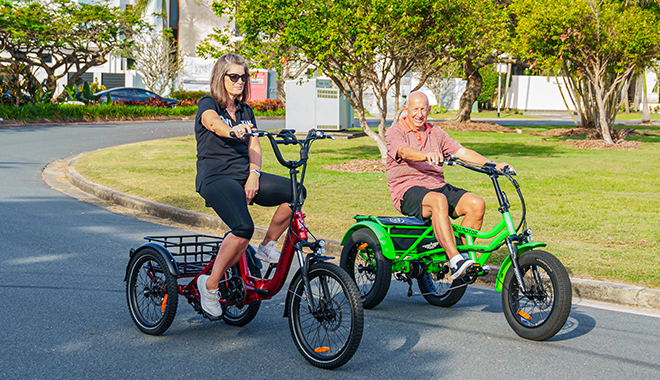
Electric trikes are steadily gaining popularity among riders who value stability, comfort, and eco-friendly transportation. They are versatile enough for commuting, recreational rides, and mobility support. Yet one factor that often goes unnoticed is the influence of weather. Unlike traditional bicycles, electric trikes rely on advanced battery systems and electrical components that can be sensitive to environmental changes. From freezing winter mornings to scorching summer afternoons, weather conditions play a significant role in determining how efficiently these vehicles perform.
By understanding how weather influences electric trike efficiency, riders can adapt their habits, maintain their equipment properly, and enjoy smoother, safer journeys year-round.
Temperature and Battery Performance
Temperature is one of the most critical environmental factors affecting electric trike efficiency. Batteries are the heart of every electric trike, and their performance is directly tied to chemical reactions inside the cells.In cold weather, these reactions slow down, reducing the battery’s ability to deliver consistent power. Riders often notice shorter ranges, weaker acceleration, and longer charging times during winter months. A trip that normally covers 40 miles may shrink to 25 or 30 miles when temperatures drop below freezing. This is a common experience across electric trikes, electric bikes, and electric bicycles alike.
Extreme heat can be equally challenging. High temperatures accelerate chemical activity inside the battery, which may temporarily boost performance but also increase wear and tear. Prolonged exposure to heat can shorten battery lifespan, leading to reduced efficiency over time. Charging a battery in direct sunlight or leaving an ebike outdoors on a hot day can cause unnecessary stress.
Manufacturers address these challenges by equipping their vehicles with protective casings and smart battery management systems. Riders who store their ebikes properly and follow recommended charging practices can expect more consistent efficiency regardless of the season.
Rain, Humidity, and Moisture
Rainy conditions introduce a different set of challenges. Wet roads increase rolling resistance, requiring more energy to maintain speed. Braking distances also become longer, which can affect safety and efficiency. Moisture itself poses risks to electrical components, as prolonged exposure can lead to corrosion or short circuits if systems are not properly sealed.Humidity is another subtle but important factor. Even when it is not raining, high humidity levels can allow moisture to accumulate inside connectors and wiring. Over time, this can degrade performance and reliability.
Modern electric trikes, like many electric bikes, are built with water-resistant wiring and sealed casings that protect sensitive components from moisture damage. Riders can feel confident that their ebike will continue to perform even when the skies turn gray. Still, it is wise to take precautions. Drying the trike after a wet ride, storing it indoors, and performing regular inspections can extend its lifespan and preserve efficiency.
Wind and Riding Efficiency
Wind is often underestimated as a factor in electric trike performance. Riding into strong headwinds increases drag, forcing the motor to work harder and draining the battery faster. A rider may notice that their range decreases significantly on windy days, even if the terrain and temperature remain constant.Conversely, tailwinds can be a welcome advantage, reducing resistance and extending range. Riders may find themselves traveling farther with less effort when the wind is at their back.
While riders cannot control the wind, they can benefit from trikes and electric bicycles designed with balanced aerodynamics. Understanding how wind affects performance allows riders to plan routes more effectively and conserve energy during challenging conditions.
Road Conditions: Snow, Ice, and Heat
Road surfaces change dramatically with the seasons, and each condition influences efficiency in unique ways.Snow and ice reduce traction, forcing the motor to work harder to maintain stability. Riders may notice increased energy consumption and slower speeds. Safety also becomes a concern, as slippery surfaces require careful handling. Special tires can improve grip, but efficiency will still be lower compared to dry pavement.
Hot pavement presents its own challenges. Extreme heat can alter tire pressure and rolling resistance, subtly affecting performance. Riders may not notice these changes immediately, but over time, they can reduce efficiency and increase wear on tires.
Wide, stable tires designed to handle diverse terrains are one solution. Whether navigating icy paths or sun-baked streets, riders benefit from equipment built to perform reliably in all conditions. This applies equally to electric trikes and ebikes, both of which face similar challenges on the road.
Rider Safety and Comfort
Weather influences not only efficiency but also rider safety and comfort. In winter, dressing warmly and storing the battery indoors when not in use can make rides more enjoyable. Cold hands and feet can distract riders, reducing focus and increasing risk. Proper clothing ensures comfort and safety.In summer, hydration becomes essential. High temperatures can lead to fatigue, which affects decision-making and reaction times. Riders should avoid charging batteries in direct sunlight and check tire pressure regularly to maintain efficiency.
Rainy conditions call for extra caution. Slower speeds, longer braking distances, and increased visibility through proper lighting are all necessary for safe riding. By adapting habits to the weather, riders can protect themselves while preserving their trike’s efficiency. These same principles apply to electric bikes and electric bicycles, which face similar challenges in varying climates.
Maintenance Tips for Weather Optimization
Proper maintenance is the key to keeping an electric trike efficient in all conditions. Storing the trike in a cool, dry place prevents unnecessary wear. Charging batteries indoors during extreme temperatures helps maintain longevity. Cleaning and drying the frame after wet rides prevents corrosion, while regular inspections keep electrical systems in top shape.Riders should also pay attention to tire condition. Proper inflation ensures optimal rolling resistance, while worn tires reduce efficiency and safety. Lubricating chains and mechanical parts prevents rust and ensures smooth operation.
By following these simple steps, riders can extend the life of their trike and enjoy consistent performance regardless of the weather. These practices are equally important for ebikes and electric bicycles, which rely on similar components and face the same environmental challenges.
Designing Trikes and Ebikes for All-Weather Riding
Manufacturers of electric trikes and electric bikes recognize that riders depend on their vehicles regardless of the forecast. That is why modern designs include weather-resistant batteries, protective casings, and durable tires that handle diverse terrains. Every detail is engineered to deliver consistent efficiency and safety, whether commuting through city streets or exploring nature trails.From waterproof wiring to advanced battery management systems, these innovations ensure that riders can trust their ebike or electric bicycle to perform in every season. Choosing a model built with resilience in mind is one of the best ways to guarantee reliable performance year-round.
Conclusion
Weather plays a powerful role in shaping electric trike efficiency. Temperature, moisture, wind, and road conditions all influence how far and how comfortably riders can travel. By understanding these factors and choosing a trike or electric bike designed for resilience, riders can enjoy dependable journeys throughout the year.Whether facing winter snow, summer heat, or rainy afternoons, electric trikes and electric bicycles remain practical and enjoyable modes of transportation when properly maintained and used with care. With thoughtful preparation and awareness of weather influences, riders can ensure that every trip is efficient, safe, and rewarding.
Leave a Reply
Your email address will not be published.Required fields are marked. *
Latest Stories