Winter Ready Electric Tricycle for Adults with Disabilities
By ADDMOTOR | 24 December 2025
Winter in the United States is a season of dramatic contrasts. In the Midwest, heavy snowstorms can blanket entire neighborhoods overnight. The Northeast often faces freezing rain and icy sidewalks. The Pacific Northwest deals with cold rain and slick pavement for weeks at a time. Mountain states experience long stretches of snow packed roads, while the South occasionally surprises residents with sudden cold snaps. For adults with disabilities who rely on a three wheel cycle for mobility, these conditions can create real challenges. Yet winter does not have to interrupt independence. With the right preparation and a thoughtfully designed ride, it is entirely possible to stay active, confident, and connected throughout the colder months.
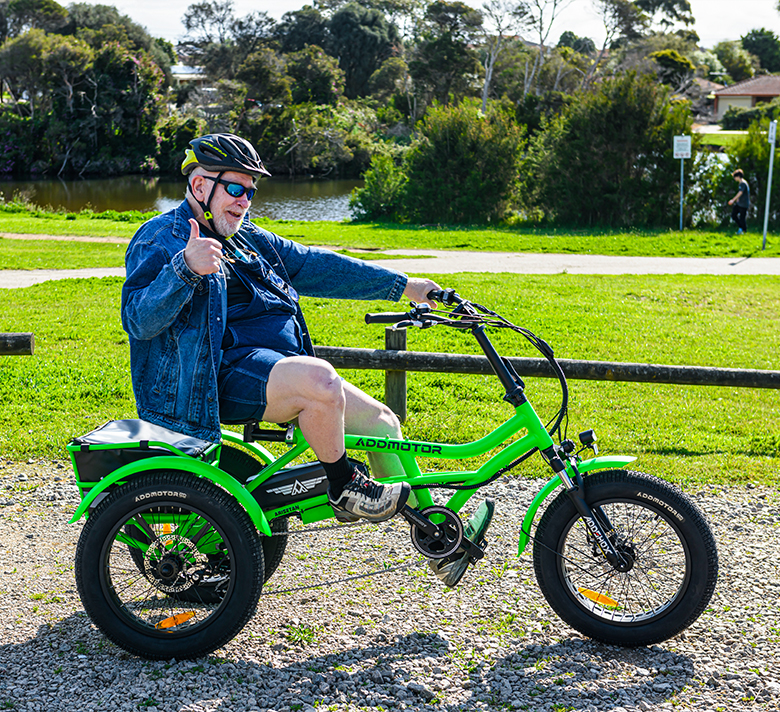
A three wheel electric model offers balance, comfort, and motor assistance that support riders who need additional stability. These qualities make it an appealing alternative to a traditional electric bike or electric bicycle, especially during winter. Cold air, slippery pavement, and reduced daylight can make riding more demanding, but a well built cycle helps riders remain engaged with their communities even when temperatures drop. Instead of viewing winter as a barrier, many riders discover that the right equipment transforms the season into an opportunity to enjoy fresh air, maintain physical activity, and preserve daily routines.
Winter Riding Conditions Across the United States
Winter riding varies widely across the country. A resident of Minnesota may face deep snow and frozen intersections for months at a time. Someone in Washington State deals with constant drizzle, wet leaves, and slick roads. Riders in Colorado encounter long stretches of packed snow and steep terrain. Those in New England often navigate slush, freezing rain, and early sunsets. Even states like Texas or Georgia can experience sudden cold fronts that create icy patches on roads and sidewalks.Etrike must be able to handle these different environments. It needs to offer stability on slippery surfaces, traction on wet pavement, and comfort during long rides in cold air. A design prepared for winter focuses on practical needs. Wider tires help maintain grip on wet or snowy surfaces. A low step frame makes it easier to mount and dismount while wearing winter clothing. The electric motor provides steady support when pedaling becomes more difficult due to cold air or uneven terrain. These features work together to create a dependable mobility option that adapts to winter conditions rather than being limited by them.
Stability and Traction for Cold Weather Riding
One of the strongest advantages of a etrike is its natural stability. Unlike ebike, a tricycle remains upright even at slow speeds. This is especially important when navigating icy patches, slush covered streets, or uneven winter surfaces. Its structure distributes weight evenly, helping riders maintain balance even when the ground is unpredictable. For adults with disabilities, this stability can make the difference between feeling hesitant and feeling confident enough to ride regularly.Traction is equally important. Many trikes use wider tires that create more contact with the ground. This improves grip on wet pavement and helps prevent slipping. Riders in snowy regions often choose fat tire models because they handle snow packed paths and uneven terrain with ease. These tires offer a secure ride even when the weather becomes harsh. In areas where winter brings more rain than snow, such as the Pacific Northwest, tread patterns designed for wet surfaces help maintain control on slick pavement.
Braking performance also matters. Cold weather and wet surfaces can increase stopping distances. A high quality cycle uses responsive braking systems that maintain consistent performance in winter. This allows riders to slow down smoothly and safely, which is especially important when sharing the road with cars or navigating busy intersections. Riders in hilly regions benefit from strong braking systems that provide reliable stopping power even on steep or slippery slopes.
Battery Performance in Cold Temperatures
Cold weather affects the performance of any electric bike battery, including those used in three wheel cycles. Lithium ion batteries work best at moderate temperatures, and winter conditions can temporarily reduce their efficiency. However, with proper care, riders can maintain reliable performance throughout the season.Charging the battery indoors is one of the simplest ways to protect it from the cold. Allowing the battery to warm to room temperature before charging helps preserve its long term health. Storing the cycle in a garage or sheltered area also reduces exposure to freezing temperatures. Riders who plan longer trips can benefit from planning routes that include indoor stops where the battery can warm slightly.
Even with reduced efficiency, a well maintained battery provides dependable power for winter riding. The key is to adopt habits that support battery longevity, such as avoiding deep discharges and keeping the battery clean and dry. These practices ensure that the cycle remains a reliable mobility tool throughout the coldest months. Riders who use their cycle for daily errands or commuting often find that consistent charging habits help maintain strong performance even during extended cold spells.
Visibility and Safety in Low Light Conditions
Winter brings shorter days and more frequent low light conditions. Fog, snow, and early sunsets can reduce visibility for both riders and drivers. A winter ready cycle includes features that help riders stay visible and safe on the road.Integrated LED headlights and taillights illuminate the path ahead and make the rider more noticeable to others. Reflective accents on the frame or tires increase visibility from multiple angles, especially when illuminated by car headlights. Some cycles include turn signals or brake lights that provide clear communication in traffic. These features are especially helpful in winter when road conditions demand extra caution.
Riders can also enhance visibility by wearing reflective clothing or adding accessories such as reflective flags. These additions make a significant difference when riding in suburban neighborhoods, city streets, or rural areas where lighting may be limited. In regions where winter fog is common, such as parts of California or the Pacific Northwest, bright lighting and reflective gear become essential for safe travel.
Comfort and Ergonomics for Cold Weather Travel
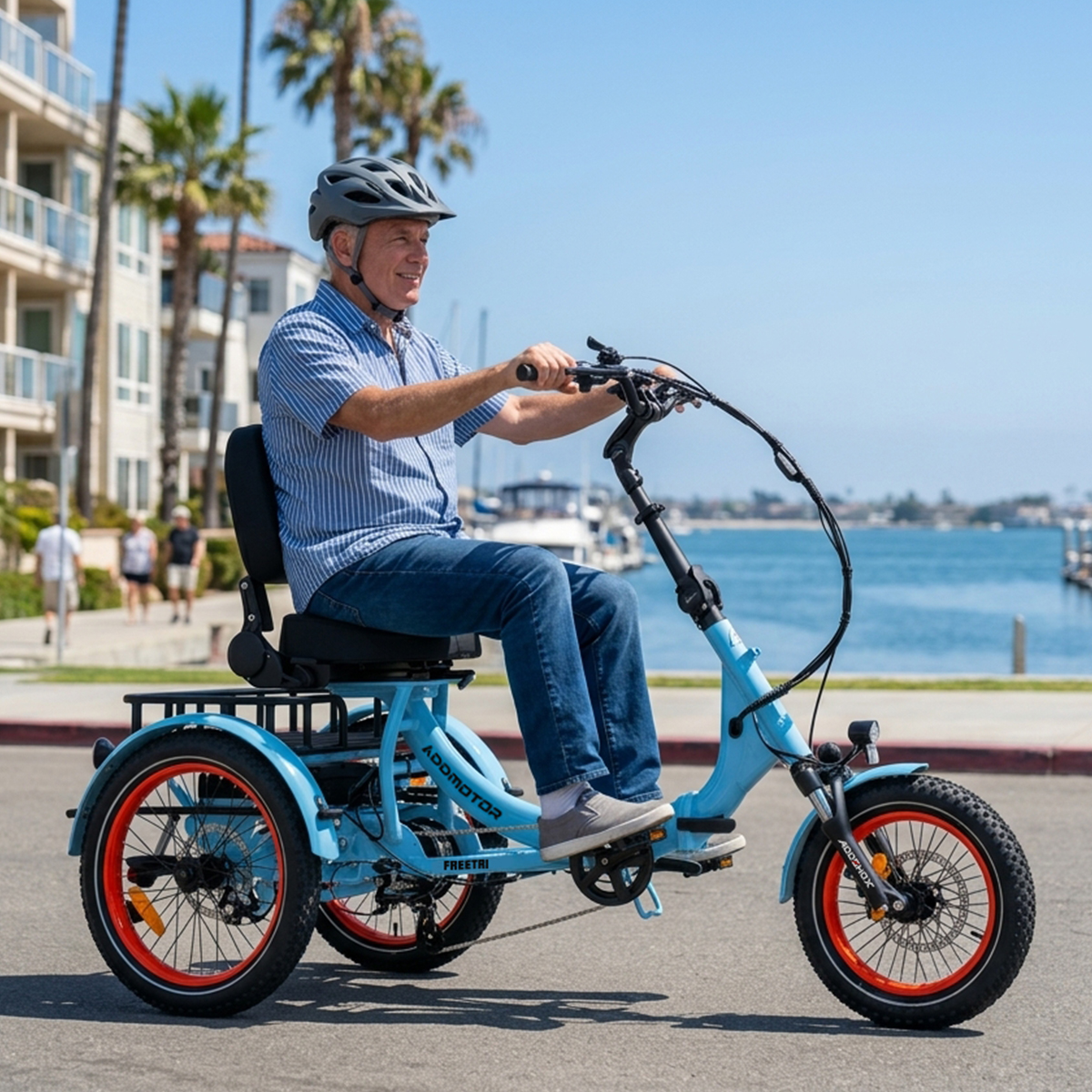
Comfort is essential for winter mobility. Cold temperatures can make riding uncomfortable if the cycle is not designed with ergonomic support in mind. A well padded seat with back support helps riders maintain proper posture during longer rides. Adjustable handlebars accommodate gloved hands and allow riders to maintain a relaxed grip. Fenders protect against slush and road spray, keeping clothing dry and clean.Storage capacity also becomes more important in winter. Riders may need to carry extra layers, gloves, scarves, or groceries. A rear basket or cargo rack provides convenient space for winter essentials, making the cycle a practical tool for errands, appointments, or recreational outings. Riders who use their cycle for commuting often appreciate the ability to store work items, lunch, or personal belongings without worrying about exposure to snow or rain.
Practical Winter Riding Tips for US Riders
Even with a winter ready cycle, adopting safe riding habits enhances confidence and control. Reducing speed on wet or icy surfaces allows riders to react more easily to unexpected changes in traction. Braking earlier and more gradually helps maintain stability. Dressing in layers ensures warmth without restricting movement. Regular maintenance checks, especially on brakes, tires, and lights, keep the cycle in optimal condition.Tire pressure also plays a role in winter performance. Slightly lower pressure can increase traction by allowing more of the tire to contact the ground. However, it is important to stay within the manufacturer recommended range to avoid damaging the tire or rim. Riders in colder states often check tire pressure more frequently because cold air naturally reduces pressure over time.
A Reliable Mobility Option for American Winters
An electric tricycle for adults with disabilities is more than a seasonal adaptation. It is a year-round mobility option that empowers riders to maintain independence, stay active, and enjoy the outdoors regardless of weather conditions. With enhanced stability, thoughtful design, and proper winter preparation, a electric tricycle becomes a dependable companion throughout the coldest months of the year.Winter does not have to limit mobility. With the right equipment and knowledge, riders across the United States can continue exploring their communities, running errands, and enjoying fresh air even when temperatures drop. Whether someone prefers an electric bicycle, an ebike, or a three-wheel electric model, the right design can transform winter from a barrier into an opportunity for continued freedom and confidence.
Leave a Reply
Your email address will not be published.Required fields are marked. *
Latest Stories