The Shocking Facts About Recumbent Bikes vs. Upright Bikes Revealed
By ADDMOTOR | 04 March 2026
Cycling has always been more than just a way to get from one place to another. For many, it’s a lifestyle, a sport, and even a form of therapy. Over the years, bicycles have evolved into countless designs, each catering to different needs and preferences. Among the most debated styles are recumbent bikes and upright bikes. At first glance, they may seem like two completely different worlds, and in many ways, they are. One emphasizes comfort and aerodynamics, while the other focuses on agility and tradition.
But which one is truly better? Which one should you choose if you’re considering a new ride, especially in the age of the electric bike? In this article, we’ll reveal the shocking facts about recumbent bikes versus upright bikes, breaking down their differences, advantages, disadvantages, and the real-world experiences of riders. By the end, you’ll have a clear understanding of which bike style fits your lifestyle—and how ADDMOTOR innovative ebike solutions can make your choice even more rewarding.
Recumbent Bikes: Comfort Meets Innovation
Recumbent bikes are instantly recognizable thanks to their reclined seating position. Instead of leaning forward over handlebars, riders sit back in a supportive seat with pedals positioned in front. This design changes everything about the riding experience.The first and most obvious benefit is comfort. Traditional upright bikes often place strain on the back, shoulders, and wrists, especially during long rides. Recumbent bikes eliminate much of this discomfort by distributing weight more evenly across the rider’s body. The seat feels more like a chair than a saddle, making it possible to ride for hours without the aches and pains associated with upright cycling.
Another major advantage is aerodynamics. Because riders are reclined, their bodies present a smaller profile against the wind. This reduced drag allows recumbent cyclists to maintain higher speeds with less effort, especially on flat terrain. Long-distance riders often report that they can travel farther and faster on a recumbent compared to an upright bike.
Recumbent bikes also appeal to riders with specific physical needs. Those recovering from injuries, dealing with chronic back pain, or seeking a gentler way to exercise often find recumbents to be the perfect solution. The ergonomic design makes cycling accessible to people who might otherwise avoid it. And when combined with modern technology—such as an electric bicycle motor—recumbents become even more versatile, offering pedal-assist power that makes long rides effortless.
Upright Bikes: Tradition and Versatility
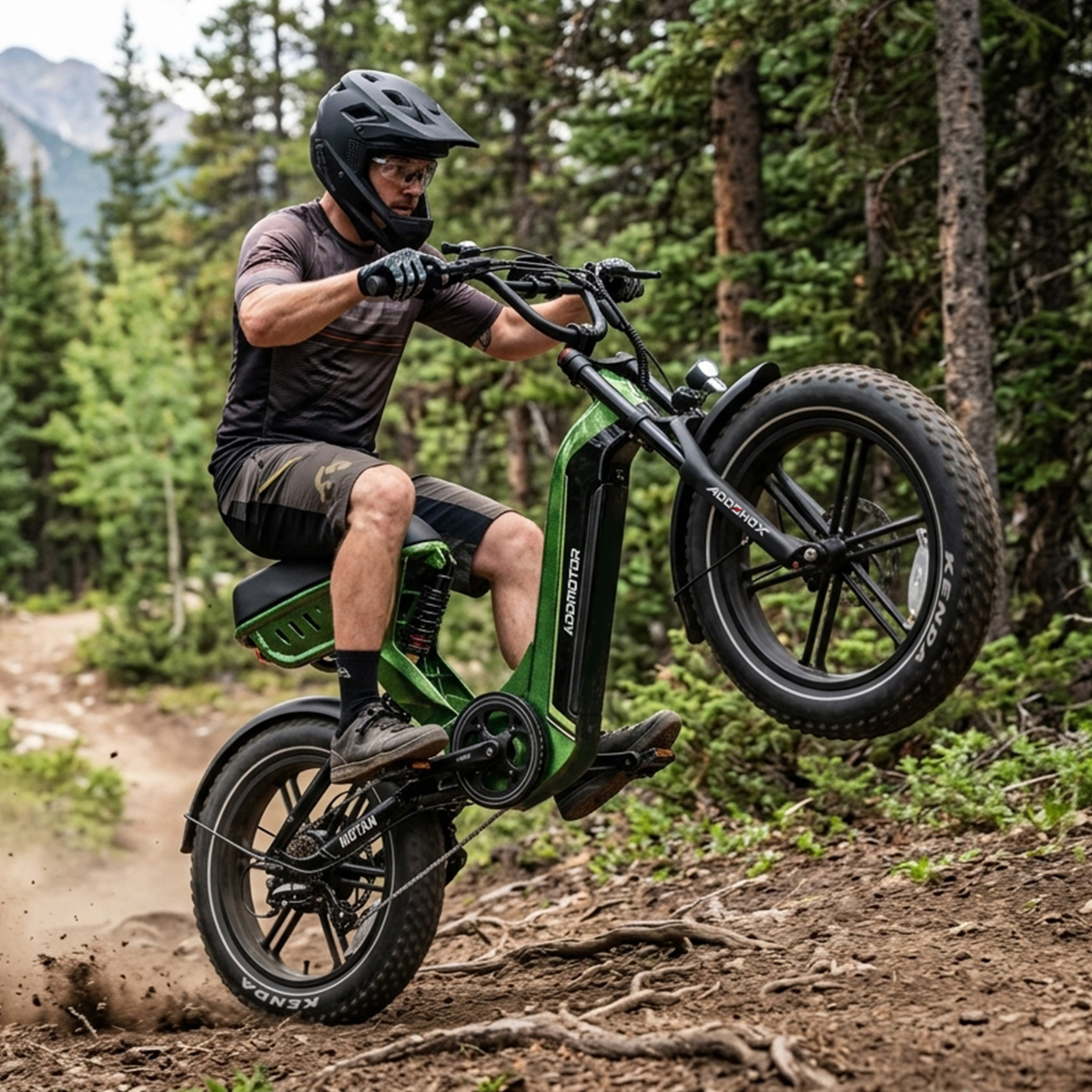
On the other side of the spectrum, upright bikes represent the traditional cycling experience. Riders sit in a forward-leaning position, gripping handlebars above the frame. This setup emphasizes agility, control, and versatility.Upright bikes are the most common type of bicycle worldwide, and for good reason. They are practical, easy to maneuver, and adaptable to a wide range of environments. City commuters rely on upright bikes to weave through traffic and navigate crowded streets. Mountain bikers depend on them for tackling rugged trails and steep climbs. Fitness enthusiasts appreciate the upright position for engaging core muscles and delivering a more intense workout.
The upright design also provides better visibility. Riders sit higher off the ground, giving them a clearer view of their surroundings. This is especially important in urban environments where traffic awareness is crucial.
While upright bikes may not offer the same level of comfort as recumbents, they excel in responsiveness. Quick turns, sudden stops, and fast accelerations are easier to manage on an upright bike. For riders who value agility and tradition, upright bikes remain the go-to choice. And with the rise of the ebike, upright designs have become even more appealing, offering electric assist for commuting, fitness, and recreational riding.
Recumbent vs. Upright: The Shocking Differences
When comparing recumbent and upright bikes, the differences are striking.Comfort is where recumbents clearly shine. The reclined seating position reduces strain on the body, making long rides more enjoyable. Upright bikes, while versatile, often require riders to adapt to a posture that can be demanding over time.
Speed and efficiency favor recumbents on flat terrain. Their aerodynamic design allows riders to cut through wind resistance with ease.
Upright bikes, however, perform better on climbs and short bursts of speed, thanks to their ability to transfer power more directly through the pedals.
Handling and maneuverability are another key distinction. Upright bikes are nimble and responsive, ideal for navigating tight spaces or unpredictable environments. Recumbents, with their longer frames and lower seating, require more space to turn and can feel less agile in crowded areas.
Safety presents a mixed picture. Recumbents have a lower center of gravity, which makes them stable and less prone to tipping. However, their lower seating position can make riders less visible to cars and pedestrians. Upright bikes, by contrast, offer better visibility but can feel less stable at high speeds.
Finally, target riders differ significantly. Recumbents appeal to touring cyclists, older riders, and those with physical limitations. Uprights attract commuters, athletes, and recreational riders who value tradition and agility.
Real Rider Experiences
Cyclists who favor recumbents often describe the experience as relaxing and enjoyable. They highlight the ability to ride for hours without discomfort, praising the ergonomic design that feels more like lounging than exercising. Many long-distance riders report that recumbents allow them to travel farther with less fatigue.Upright riders, on the other hand, emphasize the thrill of agility and the satisfaction of a more demanding workout. They enjoy the responsiveness of upright bikes, the ability to tackle diverse terrains, and the sense of tradition that comes with riding a classic design.
Interestingly, both groups have embraced the rise of the electric bike. Recumbent riders appreciate how electric assist makes long-distance touring even easier, while upright riders enjoy the convenience of faster commutes and reduced effort on hills.
Which Bike Should You Choose?
If your priority is comfort, endurance, and long-distance touring, a recumbent bike may be the perfect fit. Its ergonomic design makes cycling accessible to a wider range of riders, especially those dealing with physical challenges.If your focus is agility, versatility, and tradition, an upright bike is likely the better choice. It excels in urban commuting, mountain trails, and fitness training, offering a more active and engaging ride.
Ultimately, the decision comes down to lifestyle. Do you want a relaxed, ergonomic experience that allows you to ride farther with less effort? Or do you prefer a dynamic, responsive ride that challenges your body and adapts to diverse environments? With the availability of electric bicycles, both options now come with added convenience and performance.
ADDMOTOR Solution
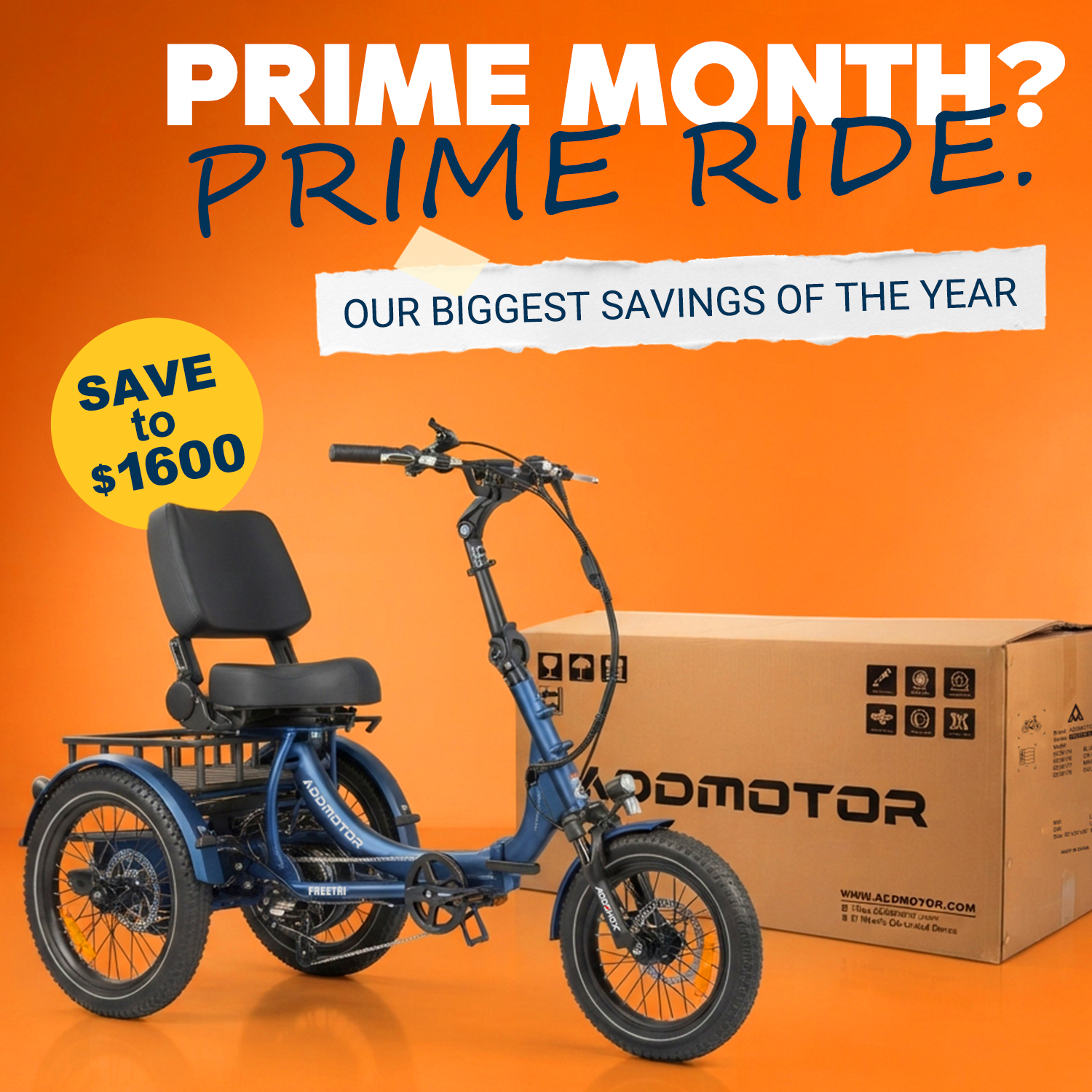
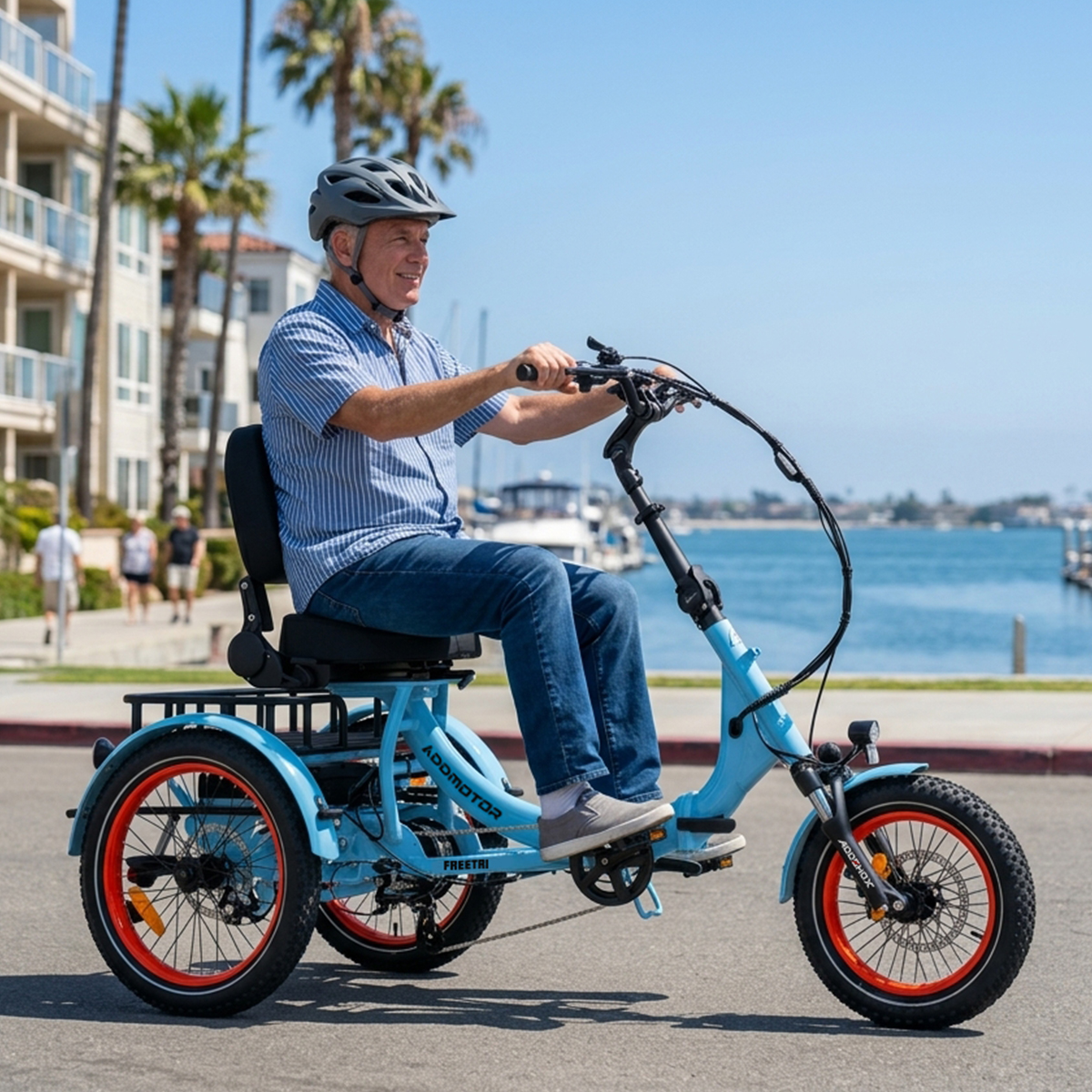
At ADDMOTOR, we believe riders shouldn’t have to compromise. That’s why we offer both electric recumbent trikes and upright ebikes, combining the strengths of each style with the power of electric assist.Our electric recumbent trikes provide unmatched comfort and stability, making long-distance rides more enjoyable than ever. With pedal-assist technology, you can travel farther without fatigue, all while enjoying the ergonomic benefits of a recumbent design.
Our upright ebikes deliver agility and versatility, perfect for city commuting or fitness training. The electric assist helps you tackle hills, navigate traffic, and arrive at your destination faster and with less effort.
Whether you choose a recumbent or an upright, ADDMOTOR’s electric bicycles are designed to enhance your experience, reduce strain, and maximize enjoyment.
Conclusion
Recumbent and upright bikes each bring unique strengths to the cycling world. The shocking truth is that there’s no clear winner—only the bike that best suits your needs. By understanding the differences, you can make an informed choice and elevate your riding experience.At ADDMOTOR, we’re committed to helping riders find the perfect solution. Whether you’re drawn to the comfort of a recumbent or the agility of an upright, our innovative electric bike lineup ensures that your cycling journey is as enjoyable and rewarding as possible. Explore our ebike collection today and discover the ride that’s right for you.
Leave a Reply
Your email address will not be published.Required fields are marked. *
Latest Stories