Running vs. Cycling vs. Walking: What’s Best for Your Goals?
By ADDMOTOR | 25 September 2025
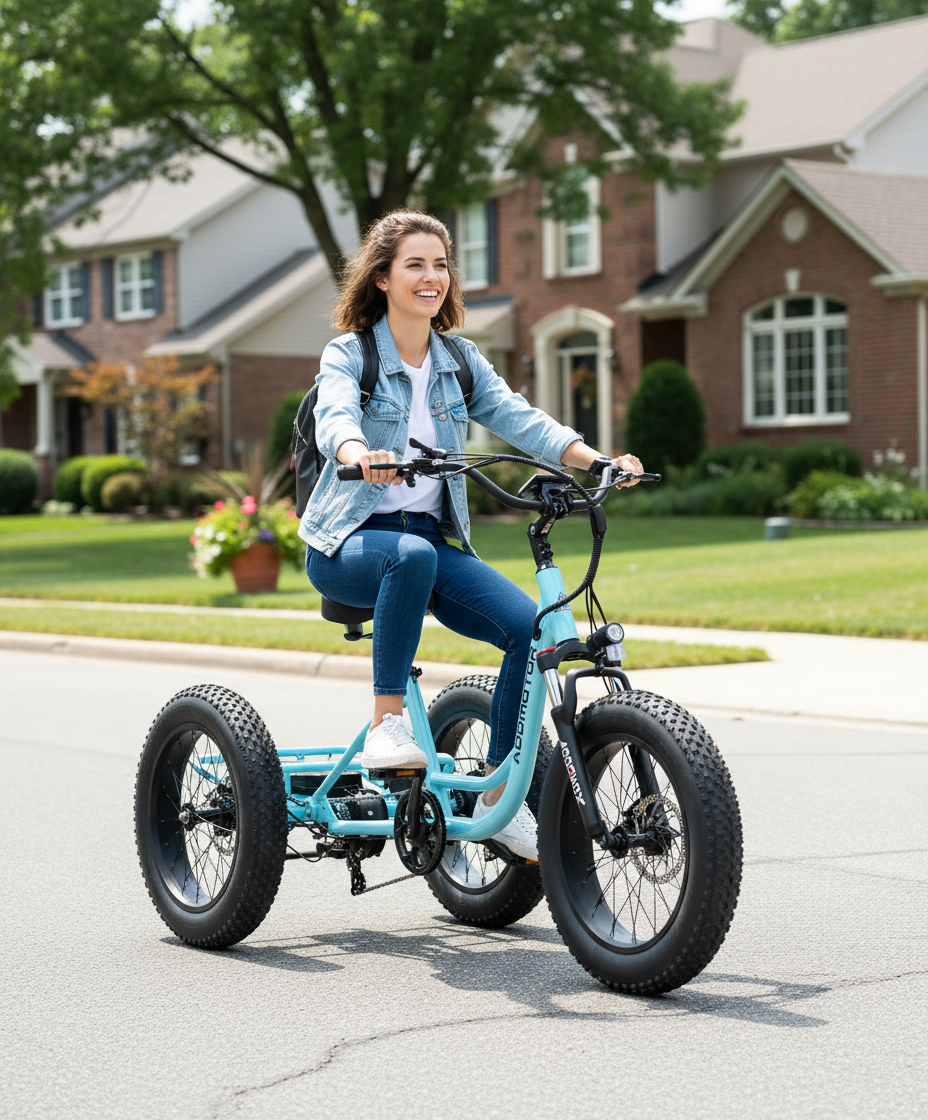
Finding the right cardio workout can significantly impact your health, energy levels, and long-term results. Whether you're focused on weight loss, boosting heart health, or maintaining an active lifestyle, choosing between running, cycling, and walking depends on your personal goals, physical condition, and daily routine.
Each activity offers unique benefits. Running delivers high-intensity calorie burn and builds endurance quickly, making it a popular choice for those seeking fast results. Cycling provides a joint-friendly alternative that strengthens the lower body and supports cardiovascular health without the impact of running. Walking, often overlooked, is one of the safest and most sustainable forms of exercise—ideal for beginners, older adults, or anyone looking to stay active with minimal strain.
Understanding the strengths and limitations of each workout can help you make an informed decision. In the sections that follow, we’ll explore how running, cycling, and walking compare in terms of calorie burn, joint impact, accessibility, and overall effectiveness—so you can choose the cardio routine that best supports your fitness journey.
Running: High-Intensity, High Impact
For those seeking a powerful cardio workout, running remains one of the most effective ways to burn calories and build endurance. It’s a popular choice among individuals aiming for weight loss, improved stamina, or time-efficient exercise routines.Running elevates your heart rate quickly, helping to strengthen both the heart and lungs. It also stimulates the release of endorphins—natural mood boosters that can reduce stress and improve mental clarity. Because of its intensity, running delivers noticeable results in a relatively short period, making it ideal for goal-driven fitness plans.
However, it’s important to consider the physical demands of running. As a high-impact activity, it places significant stress on the joints, particularly the knees and ankles. Beginners or those with existing joint concerns may be more susceptible to injuries such as shin splints or tendon strain. Proper footwear, warm-ups, and gradual progression are essential to minimize risk.
Overall, running is best suited for individuals who are physically prepared for higher-impact movement and are looking to maximize calorie burn, build cardiovascular strength, or train for competitive events.
Cycling with E-Bikes: A Low-Impact Cardio Solution for All Fitness Levels
Cycling has long been recognized as one of the best low-impact cardio workouts for improving heart health, building endurance, and strengthening the lower body. But for many Americans—especially beginners, older adults, or those with joint concerns—traditional cycling can feel physically demanding or logistically challenging. That’s where electric bikes (e-bikes) are changing the game.
E-bikes offer all the core benefits of cycling, with added flexibility and comfort. Riders can adjust the level of motor assistance to match their energy level, terrain, or fitness goals. This makes e-biking an ideal choice for people seeking joint-friendly exercise that still elevates the heart rate and engages key muscle groups. Whether you're commuting, cruising through your neighborhood, or exploring local trails, e-bikes make it easier to stay active without overexertion.
Unlike high-impact workouts such as running, e-biking minimizes stress on the knees, hips, and ankles—making it a safe and sustainable option for long-term fitness. It’s also highly adaptable: users can choose leisurely rides for recovery days or increase intensity for a more vigorous workout. And because e-bikes are accessible to a wide range of fitness levels, they’re quickly becoming a go-to solution for those looking to maintain an active lifestyle without sacrificing comfort or safety.
While cycling isn’t a weight-bearing activity and may not contribute as much to bone density as walking or running, its low-impact nature and cardiovascular benefits make it a smart choice for daily movement. With e-bikes, that choice becomes even more inclusive—empowering more people to enjoy the freedom, flexibility, and health advantages of cycling.
Walking: Accessible and Sustainable
In a world filled with high-intensity workouts and complex fitness routines, walking stands out for its simplicity and reliability. It’s one of the most approachable forms of exercise, requiring no special equipment, no gym membership, and no steep learning curve. For many Americans—especially beginners, older adults, and those managing chronic conditions—walking offers a safe and sustainable way to stay active.Its low-impact nature makes walking remarkably gentle on the body. Unlike running or other high-impact activities, it carries minimal risk of injury, making it an ideal choice for people recovering from illness or injury, or simply easing into a new fitness routine. Beyond physical health, walking also supports mental well-being. A daily walk can reduce stress, improve mood, and offer a valuable break from screens and schedules.
While walking may not burn as many calories as running or cycling, its accessibility and consistency often lead to meaningful results over time. It’s easy to fit into daily life—whether that’s a morning stroll, a lunchtime walk, or an evening loop around the neighborhood. For those seeking a gentle yet effective way to improve cardiovascular health, mobility, and overall wellness, walking remains a trusted and time-tested option.
Choosing Based on Your Goals
The best cardio workout isn’t one-size-fits-all—it depends on what you’re trying to achieve. If weight loss is your top priority, running tends to deliver the highest calorie burn in the shortest amount of time. Its intensity makes it especially effective for shedding pounds quickly, though it may not be suitable for everyone.Cycling and brisk walking, while lower in impact, can also support weight management when done consistently. These activities are easier on the joints and often more sustainable over time, which can be a key factor in long-term success.
For those focused on mental well-being, all three options offer meaningful benefits. Regular movement helps reduce stress and improve mood, but walking and running stand out for their ability to clear the mind and boost mental clarity—especially when done outdoors.
If heart health is your goal, running and cycling both provide excellent cardiovascular conditioning. Walking, though gentler, still supports heart function and circulation, making it a valuable option for individuals who prefer a lower-intensity routine.
Joint sensitivity is another important consideration. Cycling and walking are generally recommended for people with arthritis or mobility concerns, as they minimize impact while still promoting strength and endurance.
And for those with busy schedules, time efficiency matters. Running delivers the most impact in the least amount of time, while walking and cycling may require longer sessions to achieve similar results—but they often come with greater comfort and consistency.
Ultimately, the right choice depends on your body, your lifestyle, and your long-term goals. Each activity has its place, and mixing them throughout the week can offer a balanced, sustainable approach to fitness.
Tips for Making the Right Choice
Selecting the best workout starts with understanding what fits your lifestyle—not just your goals. If an activity feels sustainable and enjoyable, you’re far more likely to stick with it over time. Whether it’s a morning walk, weekend bike ride, or structured running plan, consistency matters more than intensity alone.It’s also helpful to vary your routine. Mixing different types of cardio—such as alternating between walking and cycling—can prevent plateaus, reduce the risk of overuse injuries, and keep your workouts mentally engaging.
Tracking your progress can make a big difference. Fitness apps and wearable devices offer valuable advices into your activity levels, heart rate, and recovery patterns. They can also help you set realistic goals and stay motivated as you build momentum.
Finally, always listen to your body. Adjust the intensity of your workouts based on how you feel, especially if you're recovering from illness, injury, or fatigue. Rest and recovery are essential parts of any long-term fitness plan.
Frequently Asked Questions
Is walking enough for weight loss?Yes—especially when done consistently at a brisk pace and paired with a balanced diet. Walking is a low-impact, accessible form of exercise that supports gradual, sustainable weight loss. For individuals just starting their fitness journey or looking for a joint-friendly routine, walking remains a reliable option. That said, many people are now turning to electric bikes (e-bikes) as a complementary or alternative solution. E-biking allows users to increase intensity without added strain, making it a practical choice for boosting calorie burn while staying comfortable.
Can cycling replace running?
For many individuals, cycling—especially with the help of an e-bike—can offer comparable cardiovascular benefits to running, but with far less impact on the joints. E-bikes make cycling more accessible to people of varying fitness levels, allowing riders to adjust motor assistance based on terrain, energy level, or recovery needs. This flexibility makes e-biking a smart alternative for those managing joint sensitivity or seeking a more comfortable way to stay active.
Which activity is best for bad knees?
Both walking and cycling are excellent low-impact options for individuals with knee issues. They help maintain mobility, strengthen supporting muscles, and reduce stress on the joints. E-bikes, in particular, offer a unique advantage: they allow users to stay moving without overloading the knees, especially on hills or longer rides. For people with arthritis, past injuries, or general joint discomfort, e-biking provides a safe and effective way to stay active and build endurance.
Conclusion
There’s no one-size-fits-all solution when it comes to cardio. The most effective workout is the one that aligns with your goals, physical condition, and daily routine. Running may deliver fast results, cycling offers joint-friendly versatility, and walking provides a sustainable way to stay active—especially for beginners or those recovering from injury.Today, electric bikes (e-bikes) are expanding what’s possible in personal fitness. They make cycling more accessible, more adaptable, and more enjoyable for a wider range of people. Whether you're easing into exercise, managing joint sensitivity, or simply looking for a practical way to stay active, e-bikes offer a flexible cardio option that fits real life.
Ultimately, consistency is what drives long-term success. The activity you enjoy—and can maintain—is the one that will help you feel better, move more, and reach your health goals. Whether you're just starting out or refining your routine, choosing a workout that fits your lifestyle is the first step toward lasting results.
Leave a Reply
Your email address will not be published.Required fields are marked. *
Latest Stories