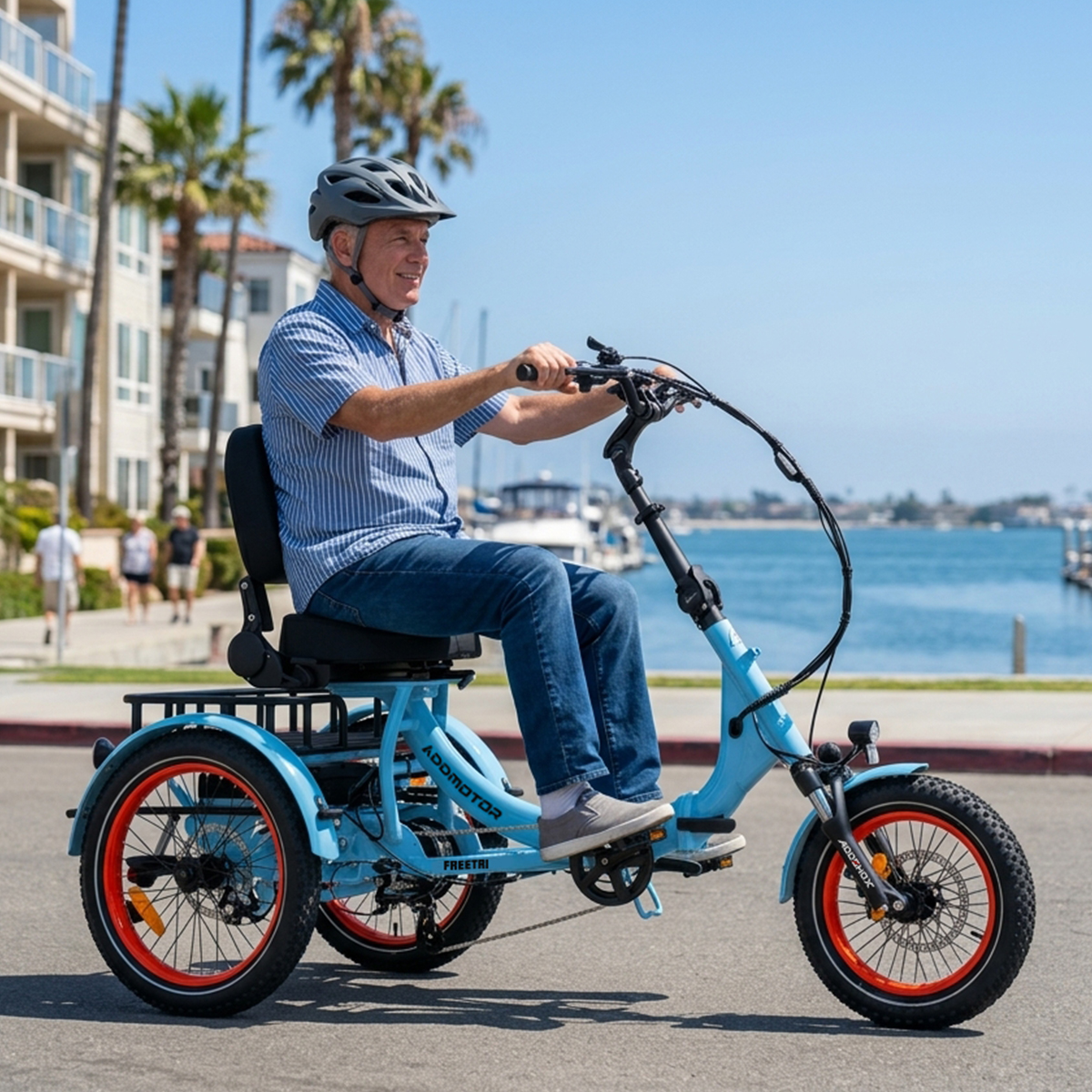
How to Ride a TRIKE as a Senior: Boost Balance, Confidence, and Mobility
By ADDMOTOR | 31 December 2025
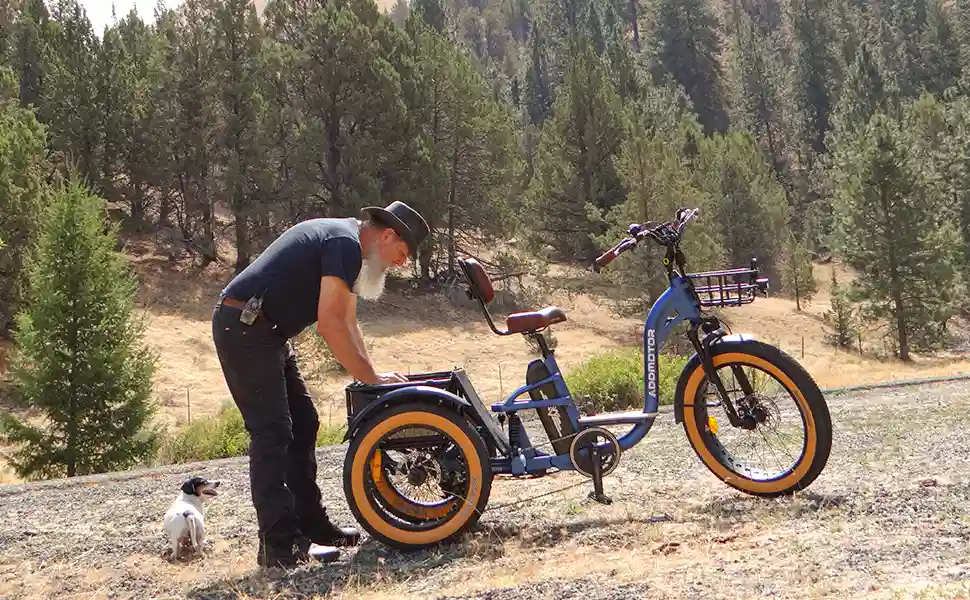
Cycling is one of life’s simple pleasures. The wind in your hair, the rhythm of pedaling, and the freedom to move at your own pace make it timeless. Yet for many seniors, the thought of riding a traditional two-wheel bicycle can feel intimidating. Concerns about balance, falls, or physical limitations often discourage older adults from cycling. Adult tricycles—commonly called trikes—offer a safe, stable, and enjoyable alternative. With three wheels providing security, trikes allow seniors to rediscover the joy of cycling while improving balance, confidence, and mobility. Today, seniors also have the option of an electric trike, sometimes called an e trike or etrike, which adds motorized assistance to make riding even easier and more accessible.
Why Seniors Benefit from Riding Trikes
The appeal of trikes lies in their ability to remove barriers that often prevent seniors from cycling. Balance is the most obvious concern. As we age, our sense of equilibrium can change, making two-wheel bicycles feel risky. Trikes eliminate this worry by offering a stable platform that remains upright even when you stop pedaling.Confidence is another major factor. Many seniors hesitate to ride because they worry about losing control or struggling to keep up. A trike restores that confidence by being easy to handle and forgiving of mistakes. The wide base and steady frame make steering smoother, and the relaxed riding position encourages comfort.
Mobility is perhaps the greatest gift a trike offers. Seniors who may no longer drive or who prefer short, local trips can use a trike for errands, visits to friends, or leisurely rides through the neighborhood. For those who want extra support, an electric trike provides pedal-assist or full motorized power, making hills and longer distances manageable without strain. This independence is invaluable, allowing older adults to remain active participants in their communities.
Beyond physical benefits, trikes also support mental health. Riding outdoors reduces stress, improves mood, and provides a sense of freedom that can be deeply empowering. For many seniors, whether on a traditional trike or an etrike, cycling becomes more than just exercise—it’s a gateway to a healthier, happier lifestyle.
Preparing to Ride a Trike
Before setting off, preparation ensures a safe and enjoyable experience. Choosing the right trike is the first step. Upright trikes resemble traditional bicycles but with added stability, while recumbent trikes position the rider in a reclined seat, offering extra back support and comfort. Seniors should consider their physical needs and riding goals when selecting a model.For those who want added convenience, an e trike can be an excellent choice. These models come with rechargeable batteries and motors that provide assistance when pedaling or even allow full electric riding. They are especially useful for seniors who want to enjoy cycling without worrying about fatigue or steep terrain.
Adjusting the trike to fit your body is equally important. A properly set seat height allows for efficient pedaling without strain, while handlebars should be positioned to avoid reaching too far forward. Safety gear should never be overlooked. A helmet is essential, even on a trike, as accidents can still happen. Reflective clothing and lights increase visibility, especially in low-light conditions.
Finally, inspect your trike before each ride. Check brakes, tires, and gears to ensure everything is in working order. If you’re riding an electric trike, make sure the battery is charged and the motor system is functioning properly.
Learning to Ride: Step by Step
Starting out on a trike may feel unusual, especially if you’ve spent years on two wheels. The best way to begin is in a quiet, open space such as a park or empty parking lot. This environment allows you to practice without distractions or traffic.Begin by mounting and dismounting until it feels natural. Once seated, focus on pedaling smoothly. Trikes respond best to steady, even strokes rather than sudden bursts of speed. Steering requires a gentle touch—keep your arms relaxed and guide the trike with confidence.
If you’re using an etrike, start by experimenting with the different assist levels. Begin with low assistance to get used to the feel, then gradually increase as you gain confidence. Practice turning corners slowly, and remember that the motor can add extra momentum, so smooth control is important.
Gradually increase your riding time. Begin with short sessions of 10 to 15 minutes, then build up to longer rides as your endurance improves. Whether on a manual trike or an electric trike, consistency will make riding second nature.
Retraining Your Brain for Three Wheels
For seniors who have spent decades riding bicycles, switching to a trike requires a mental shift. On a bicycle, balance is constant—you’re always adjusting to stay upright. On a trike, that need disappears. The three wheels provide stability, and the rider must learn to trust this new reality.Posture plays a role in this adjustment. Sitting upright with your core engaged helps maintain comfort and control. Unlike bicycles, where leaning forward is common, trikes encourage a more relaxed position. This change may feel strange at first, but it quickly becomes natural.
If you’re riding an e trike, retraining also involves learning how to coordinate pedaling with motor assistance. Seniors often find that pedal-assist makes riding smoother, but it requires practice to balance effort and support. With time, your brain adapts, and riding becomes effortless.
Safety Tips for Senior Riders
Safety should always be a priority. Ride at a pace that feels comfortable rather than pushing for speed. Trikes are designed for stability, not racing, so enjoy the journey at your own rhythm.Visibility is crucial. Bright clothing, reflective gear, and lights make you more noticeable to drivers and pedestrians. Even in daylight, these precautions increase safety.
Whenever possible, choose bike paths or quiet streets instead of busy roads. These environments reduce stress and allow you to focus on the ride. If you must share the road, stay to the side and follow traffic rules carefully.
For electric trike riders, pay attention to speed. Motors can make riding faster than expected, so always stay in control and avoid sudden acceleration. Hydration and rest breaks are also important, especially during longer rides.
Health Benefits of Riding a Trike
Riding a trike is not just fun—it’s a powerful form of exercise. Regular cycling strengthens leg muscles, improves cardiovascular health, and supports joint mobility. Unlike high-impact activities such as running, trike riding is gentle on the knees and hips, making it ideal for seniors with arthritis or joint concerns.The aerobic nature of cycling helps regulate blood pressure, improve circulation, and boost overall stamina. It also aids in weight management, which is important for maintaining long-term health. Beyond physical benefits, riding a trike stimulates the brain. Navigating routes, steering, and coordinating movements keep the mind active, supporting cognitive health.
For seniors who want exercise without overexertion, an etrike provides the perfect balance. You can pedal when you want the workout, and rely on electric assistance when you need a break. This flexibility makes cycling sustainable and enjoyable at any fitness level.
Enhancing the Experience
Part of the joy of riding a trike is customizing it to suit your lifestyle. Accessories can make rides more practical and enjoyable. Baskets or panniers allow you to carry groceries or personal items, turning your trike into a functional vehicle for errands. Mirrors improve safety by giving you a clear view of traffic behind you, while padded seats add comfort for longer journeys.Social connections enhance the experience further. Joining senior cycling groups or community clubs provides motivation and companionship. Riding with others creates a sense of belonging and makes the activity more enjoyable.
Trikes can also become part of a fitness routine. Regular rides improve cardiovascular health, strengthen muscles, and support joint mobility.
Tracking progress with fitness apps or journals adds an extra layer of encouragement, allowing you to see improvements over time. Seniors who ride electric trikes often find themselves riding more frequently, since the motor assistance removes barriers like fatigue or steep hills.
Long-Term Lifestyle Impact
The benefits of riding a trike extend far beyond the physical act of cycling. Seniors who ride regularly often report feeling more independent and socially connected. The ability to run errands, visit friends, or simply enjoy the outdoors without relying on others fosters a sense of autonomy.Trike riding also encourages a more active lifestyle overall. Seniors who incorporate cycling into their routine are more likely to engage in other forms of exercise, eat healthier, and maintain a positive outlook. The ripple effect of this activity can be profound, influencing both physical and emotional well-being.
With the rise of e trikes, seniors now have even more options to stay active. Electric assistance makes cycling accessible to those with limited stamina, ensuring that age or physical challenges don’t prevent participation. This innovation is reshaping how older adults view cycling, turning it into a lifelong activity rather than something left behind in youth.
Conclusion
Riding a trike as a senior is more than just learning a new skill—it’s about reclaiming freedom, confidence, and joy. With the right preparation, patience, and safety measures, seniors can embrace cycling again without fear. A trike opens the door to better balance, improved mobility, and a healthier lifestyle. Whether used for errands, fitness, or leisure, trikes empower older adults to stay active and engaged with the world around them.The growing availability of electric trikes, e trikes, and etrikes makes cycling even more accessible, offering motorized assistance that helps seniors tackle longer rides, hills, or fatigue with ease. This innovation ensures that cycling can remain a lifelong activity, regardless of age or physical limitations.
So take that first ride, enjoy the fresh air, and rediscover the simple pleasure of moving forward on three wheels. Whether you choose a traditional trike or an electric trike, the journey will reward you with better health, greater independence, and a renewed sense of adventure.
Leave a Reply
Your email address will not be published.Required fields are marked. *
Latest Stories