Exploring Environmental Impact on Electric Trike Performance
By ADDMOTOR | 26 December 2025
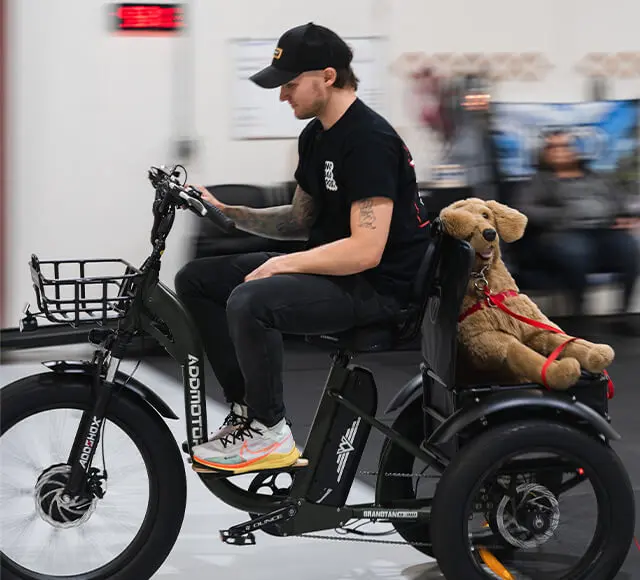
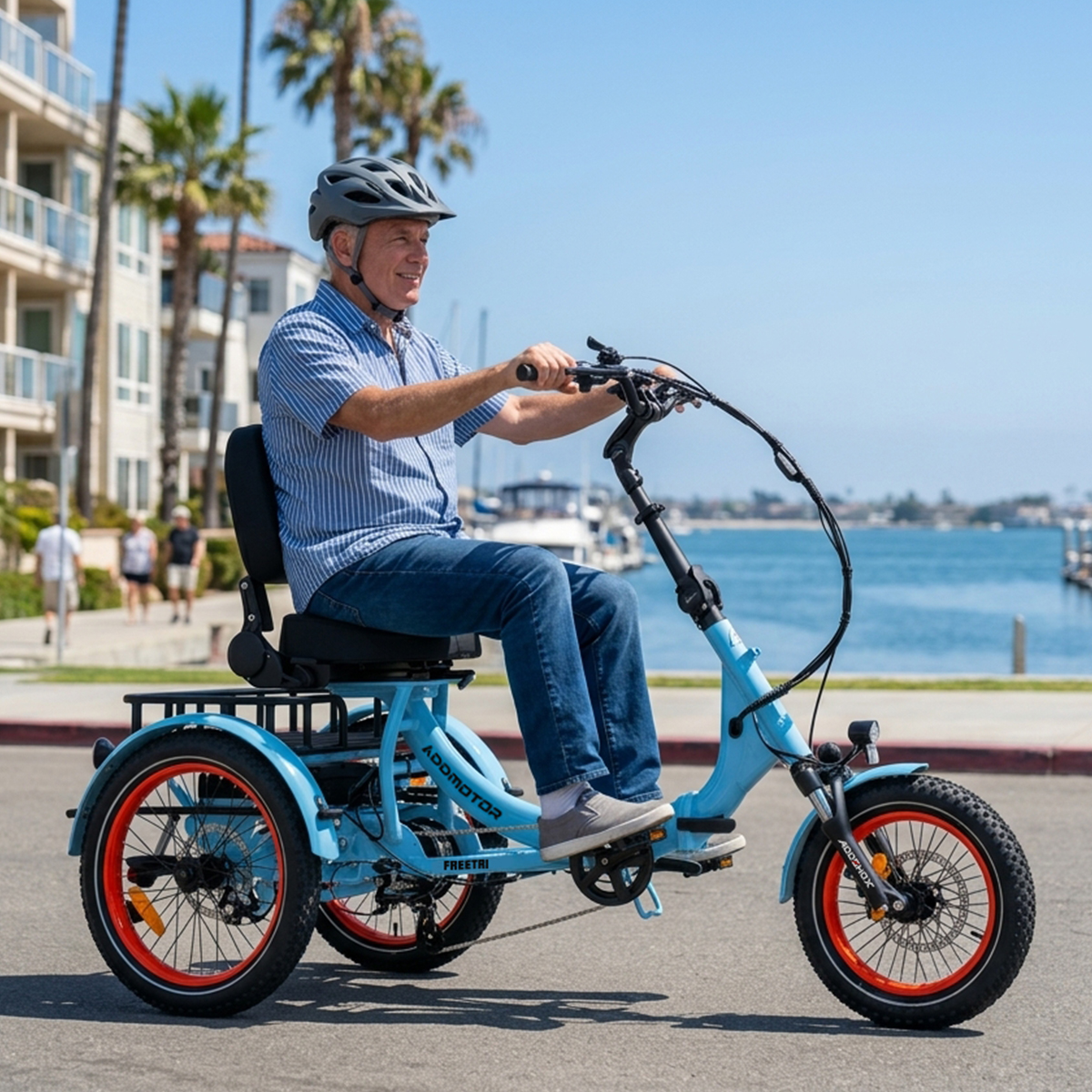
Electric trikes have become a dependable and enjoyable transportation option for many riders. Their stability, comfort, and ease of use make them appealing for everyday errands, leisurely rides, and short commutes. As electric mobility continues to grow, more people are discovering how convenient and environmentally friendly these trikes can be. Whether someone is transitioning from an electric bike, upgrading from a traditional bicycle, or simply exploring new mobility options, electric trikes offer a smooth and supportive riding experience.
However, like any ebike or electric bicycle, their performance is influenced by the environment. Weather patterns, terrain conditions, and seasonal changes all play a role in how well an electric trike operates.
Understanding these environmental factors helps riders make informed decisions, protect their equipment, and enjoy smoother, more reliable rides throughout the year. This article explores how different environmental conditions affect electric trike performance and offers practical strategies to maintain efficiency in a variety of situations.
How Weather and Environment Affect Electric Trike Performance
Temperature Effects on Battery Efficiency
Temperature has a strong impact on how well an electric trike performs. Lithium-ion batteries, which power most electric trikes and many electric bikes, work best in moderate temperatures. When the weather turns cold, the chemical reactions inside the battery slow down. This can lead to reduced power, shorter range, and a noticeable drop in performance. Many riders find that their trike or ebike doesn’t travel as far on a single charge during winter months.Hot weather creates a different challenge. High temperatures can cause the battery to heat up more quickly, which may shorten its lifespan over time. Excessive heat can also affect the motor and controller, especially during long rides or when climbing hills. Keeping the trike in a shaded area and avoiding extended rides in extreme heat can help protect the battery and maintain consistent performance.
Humidity and Moisture Exposure
Humidity and moisture also influence electric trike performance. Riding in rain, fog, or damp conditions increases the risk of water reaching electrical components. While many modern trikes and electric bicycles include protective seals or waterproof ratings, moisture can still cause corrosion or interfere with wiring if it builds up over time. After riding in wet conditions, it’s helpful to dry the trike and store it in a sheltered place. This simple habit can prevent longterm damage and keep the electrical system functioning properly.Terrain and Surface Conditions
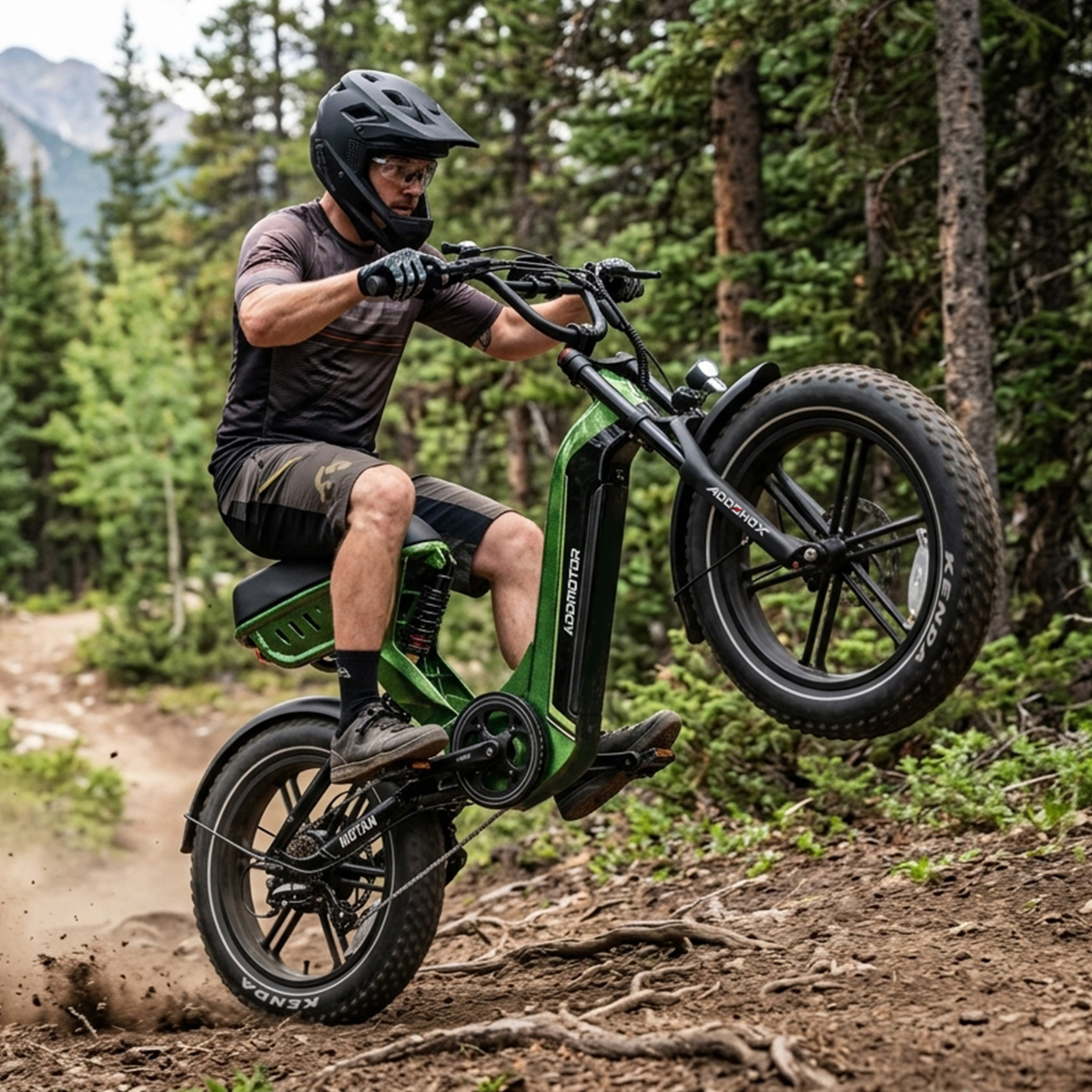
The type of surface you ride on affects how much energy the trike uses. Smooth, flat pavement allows the motor to operate efficiently, helping the battery last longer. Rough or uneven terrain, such as gravel paths, dirt trails, or sandy areas, increases resistance and forces the motor to work harder. This leads to faster battery drain and may reduce the trike’s range.Hills and inclines also require more power. Even a gentle slope can noticeably increase energy use, especially if the trike is carrying extra weight. Choosing the right tires and maintaining proper tire pressure can make a significant difference. Tires with good traction and the correct inflation level help the trike roll more smoothly and reduce unnecessary strain on the motor, just as they do on an ebike or electric bike.
Wind Resistance and Aerodynamics
Wind is another environmental factor that can influence performance. Riding into a strong headwind increases resistance, making it harder for the motor to maintain speed. This can reduce range and make the ride feel more demanding. Side winds may also affect stability, especially on lightweight trikes or models with baskets or cargo attachments.A more aerodynamic riding posture and a streamlined trike design can help reduce wind resistance. Even small adjustments, such as lowering your upper body slightly or securing loose items, can improve efficiency on windy days.
Environmental Factors That Influence Battery Life
Battery life is closely connected to the environment in which the trike is charged and stored. Charging a battery in very hot or very cold conditions can shorten its lifespan. Cold temperatures slow the charging process, while heat accelerates chemical wear. Charging the battery in a cool, dry place helps maintain its health.Storage conditions are equally important. Leaving the battery in direct sunlight, freezing temperatures, or damp areas can cause permanent damage. For long period storage, keeping the battery partially charged and storing it indoors helps preserve its capacity. Riders who live in regions with extreme seasonal changes should pay special attention to where and how they store their trike and battery. These same principles apply to any electric bicycle or ebike, making proper storage a universal best practice for electric mobility devices.
Environmental Impact on Motor and Controller Performance
The motor and controller are essential components of an electric trike, and both are affected by environmental conditions. High temperatures can cause motors to overheat, especially during long rides or when climbing steep hills. Overheating reduces efficiency and may trigger automatic shutdowns designed to protect the system. Trikes with builtin cooling features or improved ventilation tend to perform better in warm climates.Dusty or sandy environments can also affect performance. Fine particles can accumulate around the motor, controller, and drivetrain, increasing friction and interfering with electrical connections. Regular cleaning helps prevent buildup and keeps the trike running smoothly. Riders who frequently travel on dirt paths or in dry, dusty areas should clean their trike more often to maintain optimal performance. This is equally important for riders who use an electric bike or ebike in similar environments.
Seasonal Performance Variations
Seasonal changes bring different challenges for electric trike riders. Winter conditions often reduce battery range due to cold temperatures, and icy or wet surfaces can affect traction and braking. Warming the battery indoors before riding and checking tire pressure regularly can help maintain performance. Slower speeds and cautious riding are especially important on slippery roads.Summer introduces the opposite concern: overheating. High temperatures can cause the battery and motor to run hot, and tire pressure may increase due to heat expansion. Parking the trike in the shade and avoiding long rides during the hottest part of the day can help protect the electrical system.
Spring and fall bring unpredictable weather, with sudden temperature changes and frequent rain. These conditions require more frequent maintenance and attention to tire traction and battery performance. Riders may need to adjust their habits more often during these transitional seasons, especially when dealing with wet roads or fluctuating temperatures.
How to Optimize Electric Trike Performance in Different Environments
Riders can improve performance by adapting their habits to environmental conditions. Choosing the right tires for the terrain, maintaining proper tire pressure, and keeping the battery clean and dry all contribute to better efficiency. Adjusting riding style based on weather—such as reducing speed in strong winds or avoiding steep climbs in extreme heat—helps protect the motor and battery.Accessories like fenders, waterproof bags, and protective covers also help shield the trike from environmental stress. Regular inspections of the chain, brakes, electrical connections, and tire condition ensure that the trike remains in top shape regardless of the season. Riders who frequently encounter dust, rain, or rough terrain may benefit from more frequent cleaning and lubrication to prevent wear and maintain smooth operation.
Keeping the battery at an optimal charge level—typically between 20% and 80% for daily use—can also extend its lifespan. Riders should avoid fully draining the battery in harsh weather, as extreme temperatures can amplify the stress placed on battery cells. Using eco or lower-assist modes when possible helps conserve energy and reduce strain on the motor, especially when riding in challenging conditions.
Final Thoughts
Environmental conditions can influence how an electric trike performs, but a little awareness and routine care go a long way. By adjusting riding habits to the weather, keeping the battery protected, and maintaining the trike regularly, riders can enjoy reliable performance all year. Electric trikes remain a practical, comfortable, and eco-friendly choice—no matter the season.Leave a Reply
Your email address will not be published.Required fields are marked. *
Latest Stories