Electric Bike Range: How Fast and How Far Can eBikes Travel
By ADDMOTOR | 26 January 2026
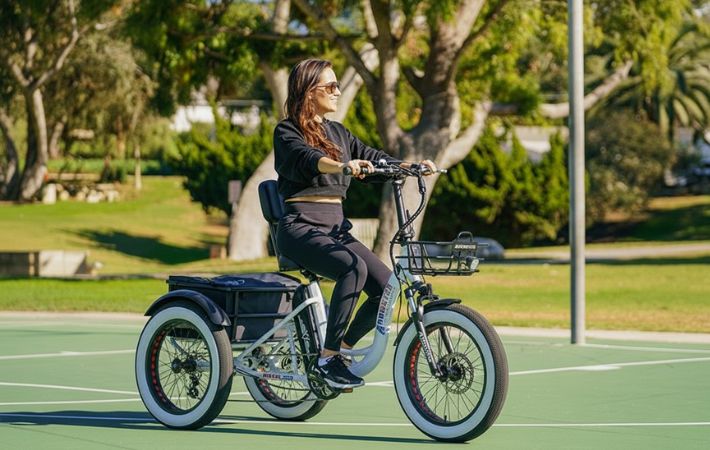
The modern electric bike has become more than just a trend; it is a revolution in personal transportation. Whether you call it an ebike or an electric bicycle, this technology offers a unique blend of human power and electric assistance. Riders appreciate the convenience, reduced environmental impact, and the ability to travel longer distances with less effort. But two questions remain central: how fast can an electric bike go, and how far can it travel before the battery runs out? Exploring these questions requires a detailed look at speed limits, battery technology, terrain, and rider behavior.
Speed Capabilities of Electric Bikes
Speed is one of the most appealing aspects of an ebike. Regulations typically divide electric bicycles into three classes. Class 1 and Class 2 models are limited to 20 miles per hour, while Class 3 bikes can reach up to 28 miles per hour with pedal assist. These limits are designed to keep riders safe and ensure compliance with traffic laws. For most commuters, these speeds are more than sufficient. Traveling at 15–18 mph allows riders to keep pace with urban traffic while conserving battery life. Although some high-performance electric bikes can exceed these limits off-road or in private settings, riders should always consider safety and local regulations.What Influences Speed Beyond the Motor
The motor sets the foundation, but real-world speed depends on many other factors. Rider weight, cargo, and terrain all play roles. A lightweight rider on a flat road will achieve higher speeds than someone carrying groceries uphill. Wind resistance becomes significant once speeds exceed 20 mph, requiring more energy from both the rider and the motor. Even tire choice matters: wider tires provide stability but create more rolling resistance, while narrow tires allow faster speeds but may sacrifice comfort. These details show that speed is not a fixed number but a dynamic outcome shaped by conditions.Range: The Distance an eBike Can Travel
Range is equally important. It determines whether an electric bicycle is practical for commuting, touring, or recreational use. Entry-level ebikes often achieve 25–35 miles per charge, mid-range commuter models reach 40–60 miles, and premium long-range bikes can exceed 70 miles. Some touring electric bikes even push past 100 miles with dual-battery systems. However, these figures are averages. Real-world range depends on riding style, terrain, and assist level. A rider who conserves energy in eco mode will travel much farther than one who relies heavily on throttle or turbo assist.Battery Capacity and Motor Efficiency
The battery is the heart of every electric bike. Measured in watt-hours (Wh), it determines how much energy is available. Larger batteries store more energy, allowing longer rides. For example, a 48V 20Ah battery can deliver 60–70 miles, while a smaller 36V 10Ah battery may only provide 25–30 miles. Motor efficiency also matters. A 750W motor offers strong acceleration and climbing ability but consumes energy faster than a 500W motor. Riders must decide whether they value speed and power or endurance and efficiency. Choosing the right balance ensures the ebike meets their lifestyle needs.Terrain and Environmental Conditions
Flat city streets maximize range, but hills and rough terrain quickly drain the battery. Climbing requires more power, and uneven surfaces increase resistance. Weather adds complexity. Cold temperatures reduce battery performance by up to 20 percent, while strong winds increase drag. Even riding surface matters: smooth pavement allows efficient travel, while gravel or sand slows the bike down. Riders who plan their routes with these factors in mind can better predict how far their electric bicycle will take them.Rider Behavior and Assist Levels
How a rider uses the bike directly impacts range. Pedal assist levels typically range from eco to turbo. Higher settings provide more motor support but consume more energy. Riders who rely heavily on throttle mode will see shorter ranges compared to those who pedal consistently. Even small adjustments, such as lowering assist levels on flat terrain, can extend battery life significantly. Experienced electric bike riders often develop strategies to conserve energy, such as using higher assist only on steep climbs and switching to lower levels on easier sections.Practical Ways to Extend Range
Maximizing range requires smart habits and proper maintenance. Keeping tires properly inflated reduces rolling resistance, while regular drivetrain care ensures smooth operation. Shifting gears appropriately prevents unnecessary strain on the motor. Avoiding sudden bursts of throttle conserves energy, and planning routes that minimize steep climbs helps extend distance. Battery care is equally important: charging fully, avoiding deep discharges, and storing in moderate temperatures all contribute to long-term performance. Riders who adopt these practices often find their ebikes consistently outperform expectations.Addmotor’s Approach to Speed and Range
Addmotor designs electric bikes with both speed and endurance in mind. By equipping models with high-capacity batteries and efficient motors, the brand ensures riders can confidently tackle daily commutes or weekend adventures. Many Addmotor ebikes deliver between 50 and 70 miles per charge, placing them among the leaders in long-range performance. This endurance allows riders to explore further without worrying about running out of power. Combined with thoughtful design and robust construction, Addmotor electric bicycles provide a dependable solution for modern cycling needs.Comparing Electric Bikes to Traditional Bicycles
One of the best ways to appreciate the value of an ebike is to compare it with a traditional bicycle. A conventional bike relies entirely on human power, meaning speed and distance are limited by fitness and endurance. An electric bicycle, by contrast, provides assistance that allows riders to maintain higher speeds with less effort. Hills that might discourage a rider on a traditional bike become manageable with motor support. Long commutes that would be exhausting on a regular bike become practical with an ebike. This difference explains why so many commuters and recreational riders are switching to electric options.The Role of Technology in Extending Range
Advances in battery technology continue to push the limits of electric bikes. Lithium-ion batteries have become standard, offering high energy density and long lifespans. Some manufacturers are experimenting with dual-battery systems, allowing riders to double their range. Smart controllers also play a role, optimizing energy use by adjusting motor output based on terrain and rider input. Regenerative braking, though less common, can recover small amounts of energy during descents. These innovations suggest that the future of ebikes will include even greater ranges and more efficient performance.Environmental and Lifestyle Benefits
Beyond speed and range, electric bicycles offer significant lifestyle and environmental benefits. They reduce reliance on cars, cutting down on emissions and traffic congestion. For urban commuters, an ebike often proves faster than driving, especially in areas with heavy traffic. Recreational riders enjoy the freedom to explore longer routes without worrying about fatigue. Families use electric bikes for errands, school runs, and leisure activities, finding them a practical alternative to short car trips. These benefits highlight why the ebike is more than just a gadget—it is a sustainable transportation solution.Why Speed and Range Matter
For commuters, speed determines how quickly they can reach their destination, while range ensures they can complete the journey without recharging. Recreational riders value the freedom to explore trails and countryside roads without limitations. In both cases, understanding the relationship between speed and distance is crucial. Riding too fast may shorten the trip, while riding conservatively extends it. Striking the right balance allows riders to enjoy the full potential of their electric bike. Addmotor’s designs make this balance easier to achieve, offering both power and endurance in a single package.Conclusion
The electric bike represents a major step forward in personal transportation. It provides riders with the ability to travel faster than traditional bicycles while covering impressive distances on a single charge. Speed and range are influenced by battery capacity, motor efficiency, terrain, weather, and rider behavior. By understanding these elements and adopting smart riding habits, cyclists can maximize performance and enjoy longer, more satisfying rides. Addmotor’s commitment to high-quality design ensures that its ebikes deliver reliable speed and range, making them an excellent choice for anyone seeking a modern, eco-friendly, and versatile mode of transport.Leave a Reply
Your email address will not be published.Required fields are marked. *
Latest Stories