Can Electric Trikes Keep You Secure on the Road?
By ADDMOTOR | 30 March 2026
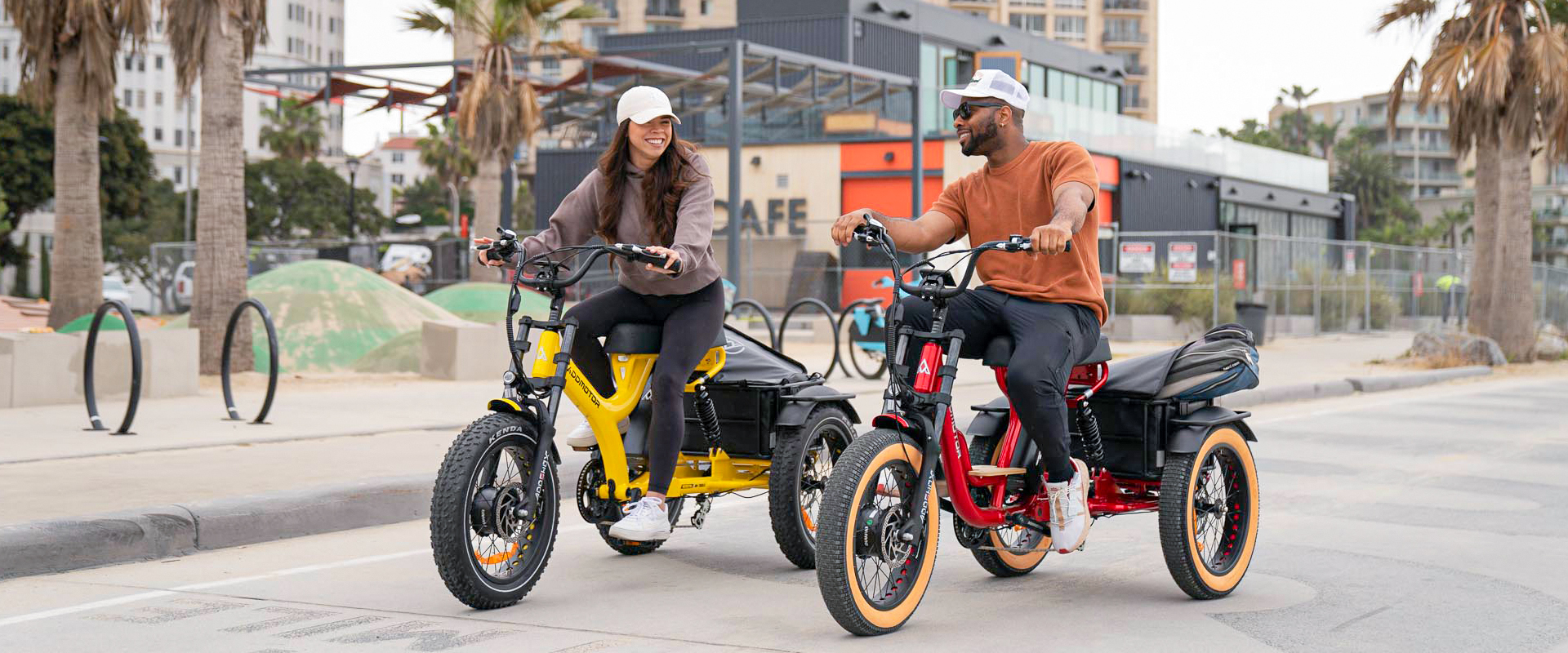
Picture yourself in a bustling city on a weekday morning. Cars inch forward in traffic, cyclists dart between lanes, and pedestrians hurry across crosswalks. Amid the chaos, a rider on an electric trike moves steadily, unhurried, and secure. The three wheels glide smoothly, offering a sense of calm in an otherwise hectic environment.
This image reflects why electric trikes are becoming a popular choice worldwide. Alongside the surge in electric bikes (ebikes) and electric bicycles, trikes promise stability, comfort, and accessibility. Yet, as more people adopt them, one question remains at the forefront: can electric trikes truly keep you secure on the road?
The Safety Advantages of Electric Trikes
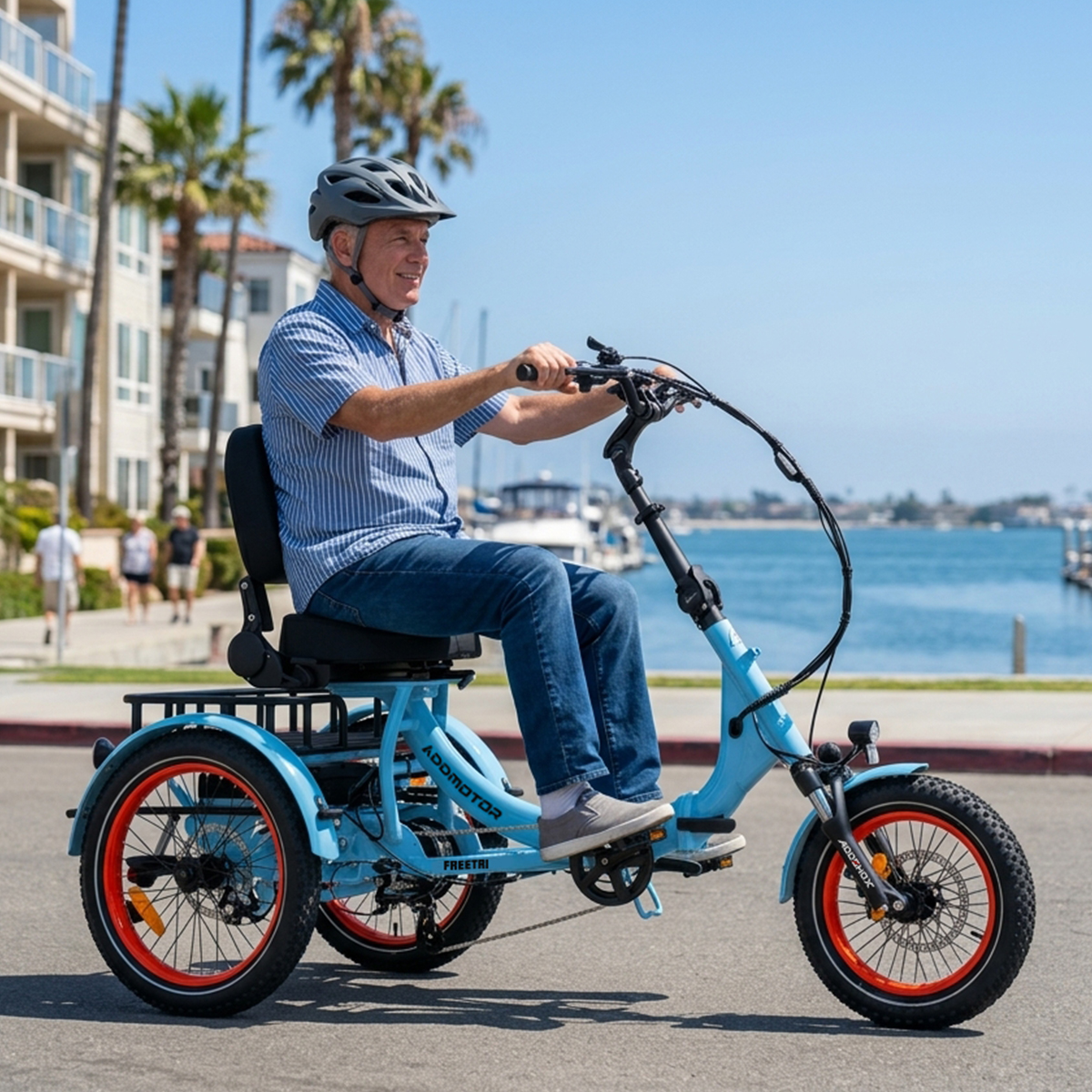
For many first-time riders, stepping onto an electric trike feels like rediscovering freedom. Unlike a traditional electric bicycle, which demands balance, trikes provide a stable platform. Seniors who once feared falling find themselves riding confidently again, while commuters appreciate the steady pace during rush hour.Controlled speed is another advantage. Just like an ebike, electric trikes are designed for moderate cruising, avoiding sudden surges. This makes them safer for urban environments where quick reactions are essential.
Electric assistance also plays a crucial role. Imagine pedaling uphill after a long day at work—fatigue sets in, concentration slips, and accidents become more likely. With electric support, riders conserve energy, stay alert, and reduce risks.
Finally, practicality enhances safety. A parent carrying groceries or a tourist with a backpack doesn’t have to worry about losing balance. The cargo-friendly design ensures stability even when loaded, making everyday tasks safer and easier.
Potential Safety Concerns
Yet, electric trikes are not without challenges. Their wider frames, while stable, can feel cumbersome in narrow bike lanes. Riders sometimes find themselves squeezed between cars and curbs, wishing for more space.Maneuverability is another limitation. A bicycle or electric bike can swerve quickly to avoid a pothole, but a trike requires more room to turn. In crowded traffic, this reduced agility can pose risks.
Technology also demands attention. Batteries and motors are reliable when maintained, but neglect can lead to overheating or reduced performance. Riders who skip regular checks may face unexpected hazards.
Weather adds complexity. On rainy days, slick pavement tests the trike’s grip. While stability helps, riders must slow down and avoid sharp turns to stay safe.
Brand and Design Differences
Not all electric trikes are built the same. Some brands prioritize safety, while others focus on affordability.Braking systems highlight this difference. High-end trikes with hydraulic disc brakes stop smoothly, even in wet conditions. Budget models with basic mechanical brakes may struggle, compromising rider security.
Frame materials also matter. Lightweight aluminum or carbon fiber frames balance durability with ease of handling. Heavier steel frames, while cheaper, can feel clunky and less responsive.
Lighting and visibility are often overlooked but critical. A trike equipped with LED headlights and reflective strips ensures riders remain visible at night. Without these, blending into the shadows becomes a dangerous possibility.
User reviews often reveal these distinctions. One rider might praise the comfort of a padded seat, while another warns about weak brakes. These real-world experiences provide valuable guidance for potential buyers.
Who Benefits Most from Electric Trikes?
Electric trikes serve diverse needs, making them appealing to different groups.Urban commuters find them ideal for short trips. Instead of battling traffic in a car, they glide through neighborhoods, saving time and money. Many riders even compare them favorably to electric bikes for stability.
Seniors and rehabilitation patients often describe electric trikes as life-changing. The stability restores confidence, allowing them to enjoy independence without fear of falling.
Leisure riders and tourists appreciate the relaxed pace. Imagine exploring a lakeside trail or cruising through a resort town—whether on an ebike or an electric trike, the journey becomes enjoyable rather than exhausting.
Families also benefit. Parents can carry groceries or transport children safely, turning the trike into a practical household vehicle.
Practical Safety Tips for Riders
Safety isn’t just about design—it’s about habits. Riders who treat their trike like any other vehicle tend to stay secure.Regular maintenance is essential. Checking brakes, inspecting batteries, and replacing worn tires prevent small issues from becoming dangerous.
Protective gear remains a must. A helmet may seem unnecessary at low speeds, but accidents can happen anywhere. Knee and elbow pads add extra protection.
Route planning makes a difference. Choosing quieter streets or designated paths reduces exposure to heavy traffic.
Brand choice also matters. Investing in a reputable model ensures better safety features and long-term reliability. While cheaper models may save money upfront, they often compromise on safety.
Finally, speed control is a rider’s responsibility. Even if a trike or electric bicycle can go faster, keeping within safe limits protects both the rider and those around them.
Comparisons: Electric Trikes vs. Other Mobility Options
To understand electric trikes better, it helps to compare them with alternatives.* Bicycles: Agile and lightweight, but require balance. Electric trikes win on stability.
* Electric bikes (ebikes): Compact and fast, but less safe in traffic. Trikes are slower but steadier.
* Mobility scooters: Designed for seniors, but limited in speed and range. Electric trikes bridge the gap, offering independence with more versatility.
Each option has strengths, but electric trikes stand out for combining stability with practicality.
User Experiences: How Electric Trikes Fit Into Daily Life
Electric trikes aren’t just theoretical solutions; they’re already changing how people move around.A retiree who once avoided cycling after a fall now rides confidently to the local market, enjoying independence without worrying about balance. Her story reflects a common theme: stability restores freedom.
Young professionals also find value. One commuter swapped his car for an electric trike, saving money on fuel and parking while feeling safer at a steady pace in crowded streets.
Families use trikes in practical ways too. Parents load groceries into the rear basket or take children on short rides, appreciating the combination of convenience and security.
These experiences highlight the versatility of electric trikes. Whether for independence, commuting, or family errands, riders consistently point to one benefit: a greater sense of safety on the road.
Buying Guide: Choosing a Safe Electric Trike
When shopping for an electric trike, safety should be the top priority.* Brakes: Look for disc or hydraulic systems.
* Frame: Choose durable yet lightweight materials.
* Lighting: Ensure headlights and reflectors are included.
* Battery: Opt for models with reliable, certified batteries.
* Reviews: Read user experiences to uncover hidden issues.
Investing in quality pays off in peace of mind and long-term reliability.
Future Outlook: Electric Trikes in Modern Mobility
Electric trikes are more than a trend—they’re part of the future of sustainable transport. As cities invest in bike lanes and eco-friendly initiatives, trikes will find more space on the roads.Advances in battery technology will extend range and improve safety. Smart features like GPS tracking, automatic braking, and connectivity may soon become standard.
In a world seeking greener, safer alternatives, electric trikes, electric bikes, and electric bicycles are poised to play a significant role.
FAQ: Common Questions About Electric Trikes
Are electric trikes safe for seniors? Yes. Their stability and controlled speed make them ideal for older riders who want independence without the risk of falling.How fast can electric trikes go? Most models cruise between 15–20 mph, balancing efficiency with safety. Comparable to many ebikes, but with added stability.
Do electric trikes work well in cities? They’re perfect for short commutes and neighborhood rides, though riders should avoid high-traffic roads.
What’s the difference between an electric trike and an electric bike? Electric trikes offer more stability and cargo capacity, while electric bikes are faster and more agile but require balance.
Conclusion: Safety Depends on Use
So, can electric trikes keep you secure on the road? The answer lies in balance—between design and responsibility, between convenience and caution.Electric trikes offer undeniable advantages: stability, comfort, and accessibility. They empower seniors, commuters, and leisure riders alike. Yet, they also demand awareness of limitations—road compatibility, maneuverability, and maintenance.
In the end, safety isn’t guaranteed by the trike alone. It’s shaped by how riders choose, maintain, and use their vehicle. With the right habits, electric trikes can indeed become a secure, reliable companion on the road.
Leave a Reply
Your email address will not be published.Required fields are marked. *
Latest Stories