Before You Buy an Electric Tricycle: 4 Key Tips
By ADDMOTOR | 30 December 2025
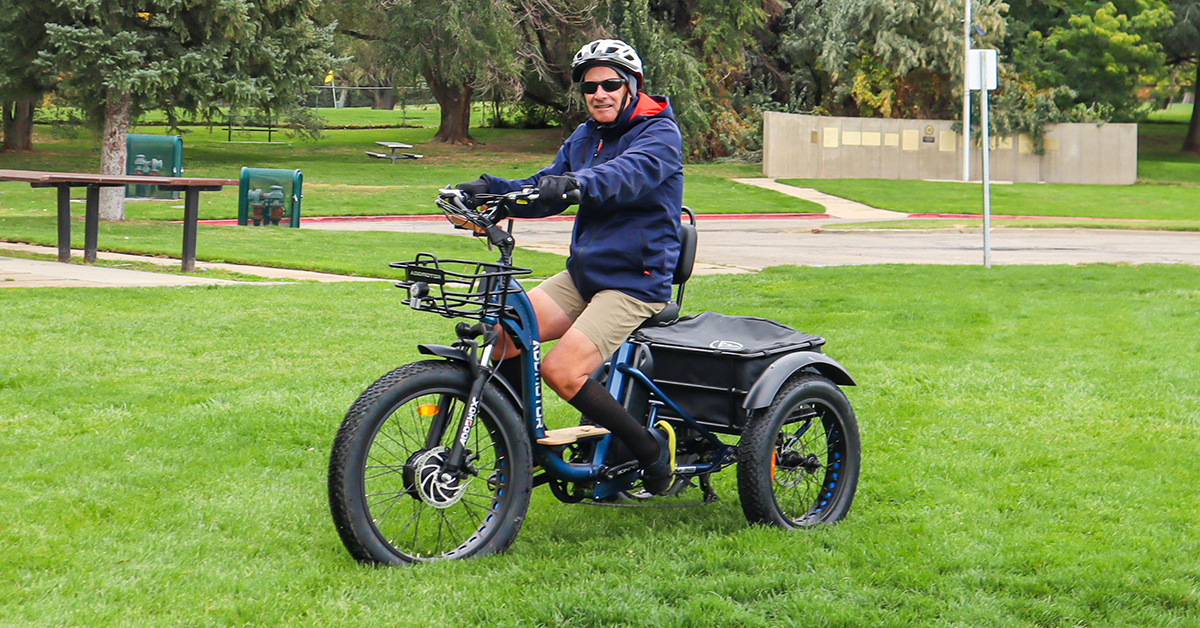
Electric tricycles have become a popular choice for people who want a comfortable, stable, and environmentally friendly way to get around. They appeal to commuters who want a reliable ride, older adults who prefer extra balance, and anyone who enjoys a relaxed cycling experience without the strain of a traditional bike. At first glance, buying one seems straightforward. After all, it’s just a bike with three wheels and a motor — how complicated could it be?
As I learned firsthand, the buying process is more sophisticated than it appears. When I purchased my first electric trike, I thought I had done enough research. I compared prices, checked battery sizes, and skimmed through a few reviews. But once I started riding regularly, I realized there were several important details I hadn’t considered. These weren’t minor oversights — they were things that would have influenced my decision from the very beginning.
If you’re thinking about investing in an electric tricycle, this will help you make a more informed choice and avoid the mistakes I made.
Electric Tricycles Perform Very Differently Depending on Where You Ride
One of the biggest surprises for new owners is how dramatically an electric tricycle’s performance changes depending on the environment. Many people assume that all e-trikes behave the same way, but the truth is that the design of the tires, frame, and suspension has a huge impact on how the trike handles various surfaces.If you’ve ever ridden an electric bike or ebike, you already know that terrain can make or break the riding experience. The same applies to electric tricycles — only the effect is even more noticeable because of the three-wheel design. If you live in a city with smooth roads and well-maintained bike lanes, a lightweight trike with narrower tires might feel perfect. These models glide easily, turn smoothly, and don’t require a powerful motor to keep you moving.
But if your neighborhood has cracked pavement, gravel paths, or uneven terrain, that same trike can feel unstable and uncomfortable. Every bump becomes noticeable, and the ride can feel harsher than expected. On the opposite end of the spectrum, fat-tire electric tricycles are built to handle rougher ground. Their wide tires absorb shocks and provide better traction, making them ideal for rural areas, parks, or mixe-surface routes. However, they also require more energy to move, which means the battery drains faster and the trike may feel heavier to maneuver.
The key is to match the trike to your surroundings. Think about where you’ll ride most often — not just occasionally. A model that works beautifully for someone in a flat, urban environment may feel completely wrong for someone who lives near hills or rides on uneven paths. Understanding this ahead of time can save you from buying a trike that doesn’t suit your daily routine.
Advertised Battery Range Rarely Reflects Real-World Use
Battery range is one of the first things people look at when shopping for an electric tricycle. Manufacturers often highlight impressive numbers, and it’s easy to assume those figures represent what you’ll actually get. Unfortunately, those estimates are usually based on ideal conditions that don’t match everyday riding.If you’ve ever owned an electric bicycle, you’ve probably noticed the same issue. Companies love to advertise “up to 50 miles” or “up to 60 miles,” but those numbers assume perfect conditions: a lightweight rider, flat terrain, mild weather, and low pedal assist levels. Real world riding is rarely that simple.
When I bought my trike, the company claimed it could travel up to 50 miles on a single charge. In reality, I rarely reached that number. My typical rides were closer to 30–35 miles, and sometimes even less depending on the weather or terrain.
Several factors influence how far you can go on one charge. Rider weight plays a major role — the heavier the load, the harder the motor has to work. Carrying groceries, pets, or other cargo also reduces range. Hills drain the battery faster than flat roads, and cold temperatures can temporarily reduce battery efficiency. Even your riding style matters. If you frequently use the highest pedal-assist level or rely heavily on the throttle, you’ll use more power.
This doesn’t mean the trike is defective — it simply means the advertised range is a best-case scenario. When comparing models, assume you’ll get about 60–70% of the stated maximum. This will give you a more realistic expectation and help you choose a battery that fits your needs.
Three Wheels Don’t Automatically Guarantee Perfect Stability
Many people assume that electric tricycles are extremely stable simply because they have three wheels. While they are certainly more balanced at a standstill than a traditional bicycle or ebike, stability while moving is a different story. I learned this quickly when I loaded my rear basket with groceries and took a turn a little too sharply. The trike didn’t flip, but it leaned in a way that made me realize I had underestimated how weight distribution affects handling.Unlike two-wheel bikes, which naturally lean into turns, trikes stay upright. This means the rider has to adjust their body position to maintain balance, especially when cornering. If you take a turn too fast or carry a heavy load that isn’t evenly distributed, the trike can feel wobbly or top-heavy.
The design of the trike plays a major role in how stable it feels. Models with a low center of gravity tend to handle better, especially when carrying cargo. Wider rear wheel spacing also improves stability, while narrow designs can feel more sensitive to shifts in weight. The placement of the cargo basket matters too. A basket positioned high off the ground can make the trike feel less steady when loaded.
If you plan to use your trike for errands, deliveries, or transporting pets, make sure the model you choose is built for that purpose. Not all electric tricycles are designed to handle heavy loads safely, and choosing the wrong one can lead to uncomfortable or risky riding situations.
Maintenance Is Manageable — But Only If You Choose the Right Setup
Electric tricycles may look complex, but maintaining them is easier than most people expect. The challenge isn’t the maintenance itself — it’s choosing a model with components that are easy to service and supported by the manufacturer.If you’ve ever maintained an electric bike, you’ll find that many of the same principles apply. Hub motors are simple and reliable, while mid-drive motors offer better hill-climbing performance but require more attention. Brake systems also matter. Disc brakes provide strong stopping power and are relatively easy to adjust, while drum brakes require less maintenance but don’t perform as well on steep terrain.
Brand support is another crucial factor. Some companies offer excellent customer service, easy access to replacement parts, and clear maintenance instructions. Others provide limited support, making it difficult to find compatible components. Choosing a reputable brand can save you a lot of frustration in the long run.
Conclusion
Buying an electric tricycle can be a fantastic decision, offering freedom, comfort, and a practical way to get around. Whether you’re upgrading from a traditional bicycle, switching from an electric bike, or simply looking for a more stable alternative to a standard ebike, an electric tricycle can open up a whole new world of mobility.But like any major purchase, it’s important to understand what you’re getting into. Terrain compatibility, realistic battery expectations, stability considerations, and maintenance requirements all play a major role in how satisfied you’ll be with your trike.
With the right information, you can avoid common mistakes and choose a model that truly fits your lifestyle. Once you find the right one, you’ll understand why so many people are turning to electric tricycles — they’re enjoyable, dependable, and surprisingly empowering.
Leave a Reply
Your email address will not be published.Required fields are marked. *
Latest Stories