Ever Wondered How a Reverse E Trike Handles Turns? The Answer Will Surprise You!
By ADDMOTOR | 03 February 2026
Picture yourself rolling down a quiet street on a sunny afternoon. The breeze brushes past your face, the hum of the motor beneath you is steady, and you’re riding an electric trike. You approach a corner — nothing dramatic, just a simple turn — but suddenly, you notice something. The way your trike leans, the way it grips the road, the way you feel in control… it’s different. It’s smoother, more natural, almost like driving a car. That’s the moment you realize: you’re not on a conventional tricycle. You’re on a reverse E trike, and the way it handles turns might just change how you think about three-wheeled riding forever.
The Geometry That Changes Everything
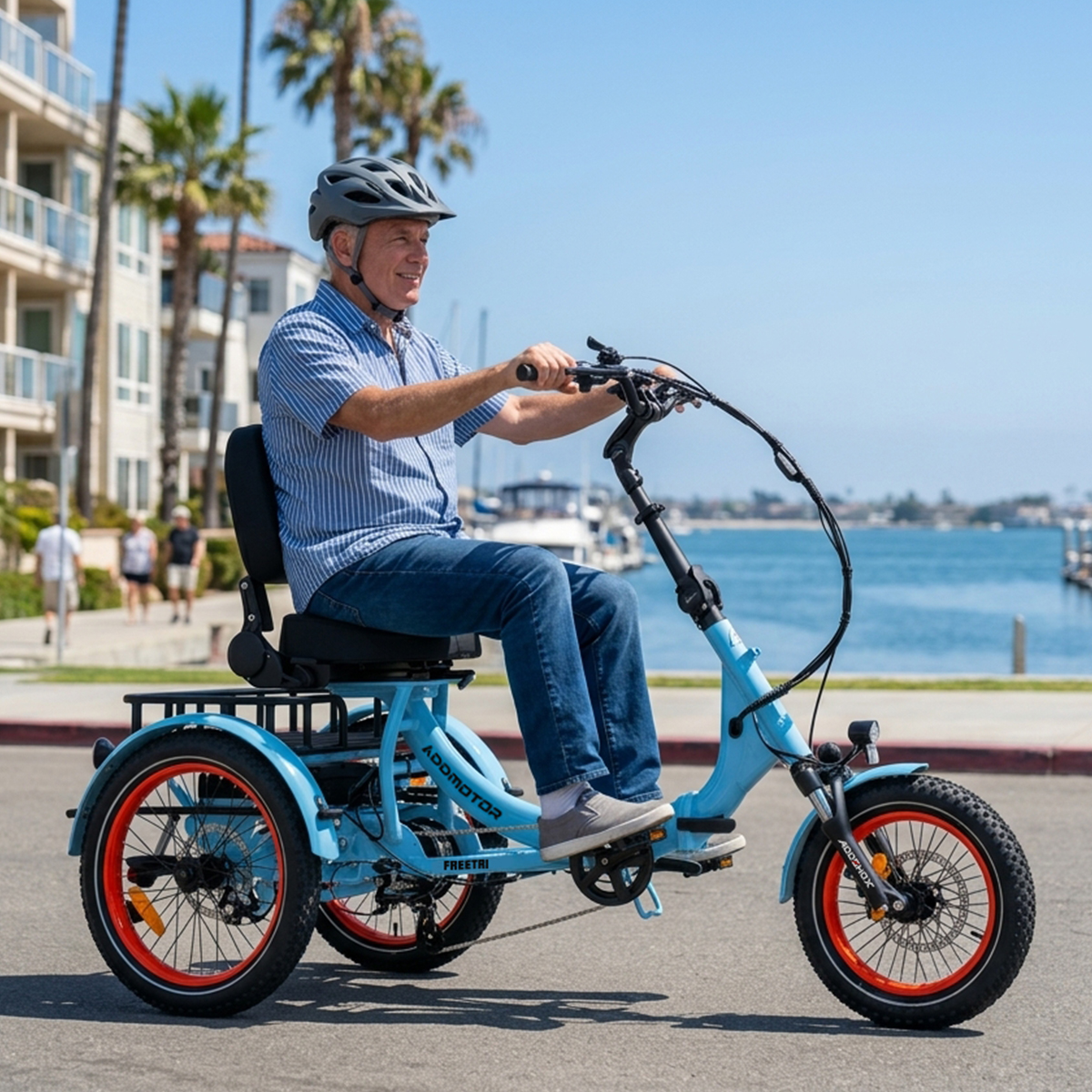
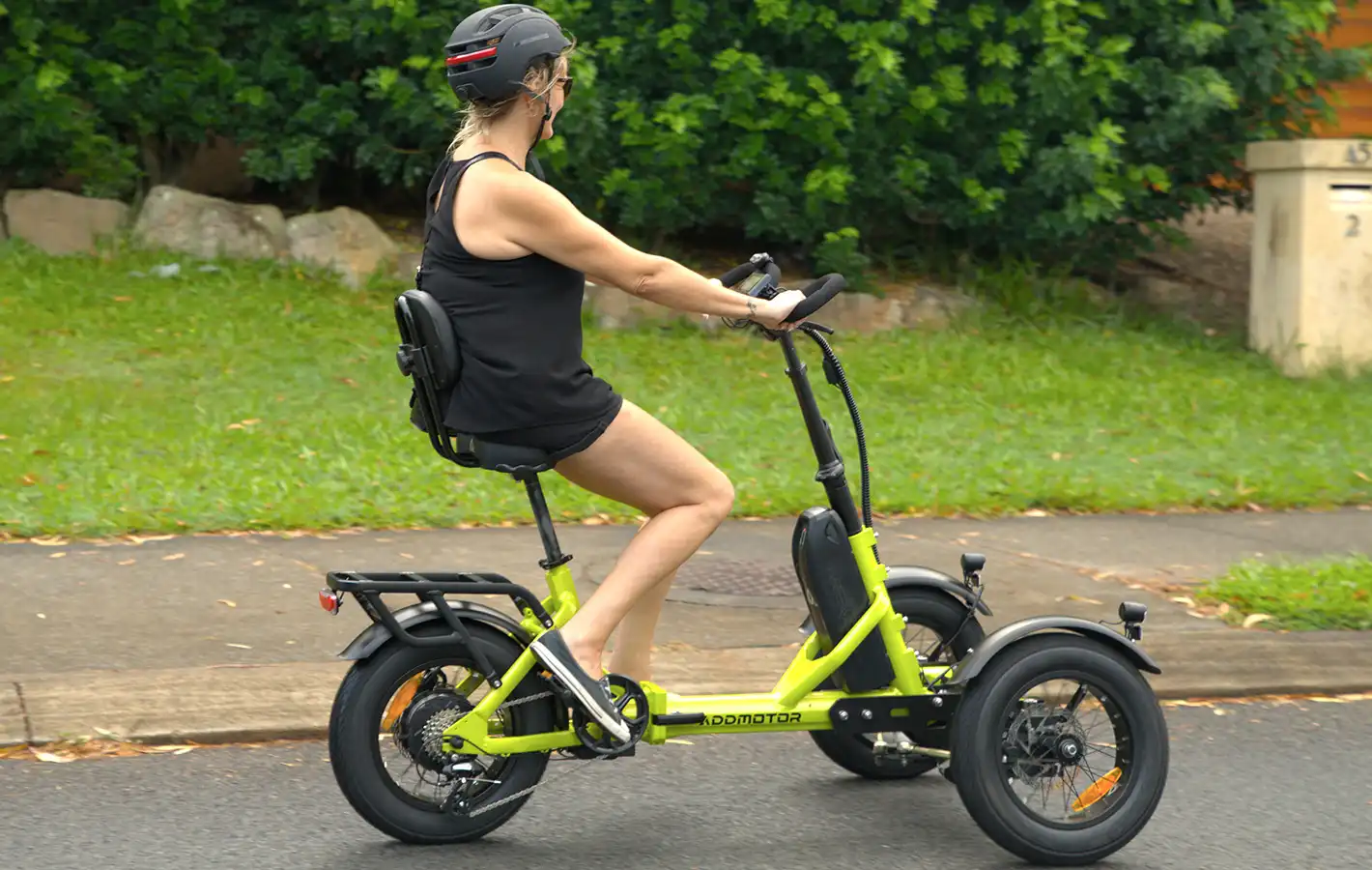
Most people are familiar with the classic tricycle design: two wheels at the back, one in the front. It’s the setup we grew up with, the one that feels nostalgic. But reverse E trikes flip that design. Instead of trailing two wheels behind you, they put them in front, side by side, with a single wheel at the rear.This simple change in geometry transforms the riding experience. With two wheels leading the way, the trike feels planted, stable, and confident. The rider’s weight is distributed across the front, reducing the chance of tipping. And because both front wheels pivot, the steering feels intuitive — closer to what you’d expect from a car or motorcycle.
It’s not just a design tweak. It’s a rethinking of how three wheels should interact with the road, and it’s one of the reasons reverse E trikes are becoming a popular choice in the electric bike and ebike community.
Conventional Trikes: Stable Until You Turn
To appreciate the difference, let’s step back and look at conventional trikes. They’re stable when riding straight, no doubt. Seniors and casual riders often choose them for that reason. But the moment you enter a turn, things change.The single front wheel does all the steering, while the rear wheels remain fixed. As you lean into the corner, the trike resists. The rear wheels push against the turn, and suddenly you feel a wobble. At higher speeds, that wobble can become a real risk — one side of the trike may lift, threatening a rollover.
It’s not that conventional trikes are unsafe. They’re fine for slow, steady rides. But when it comes to cornering, they demand caution. Riders often slow down dramatically, lean awkwardly, and hope the trike doesn’t tip. It’s functional, but it’s not confidence-inspiring.
The Reverse E Trike Turning Experience
Now imagine the same corner on a reverse E trike. You approach with ease, steering feels natural, and the front wheels grip the road. Instead of resisting, the trike flows with the turn. The wider stance of the front wheels keeps you balanced, and the weight distribution prevents tipping.It’s smoother. It’s safer. And it’s surprisingly fun.
The difference is so striking that many riders describe their first reverse E trike ride as a revelation. Suddenly, corners aren’t something to fear — they’re something to enjoy. The trike feels less like a compromise and more like a true riding machine. One standout example is the Addmotor Spytan Etrike, which showcases how reverse trike geometry delivers stable, car-like cornering while still offering the comfort and electric assist that everyday riders crave. For anyone exploring the world of electric bicycles, this model demonstrates how innovation can transform the riding experience.
The Unexpected Benefits
Most people expect trikes to be about stability, not performance. But reverse E trikes deliver both.* Sharper turns with less wobble: You don’t have to slow to a crawl. The trike handles corners with confidence.
* Reduced rollover risk: The geometry makes tipping far less likely, even during sudden maneuvers.
* Natural steering feel: If you’ve ever driven a car, the sensation will feel familiar.
* Beginner-friendly: New riders often find reverse trikes easier to master because the steering feels intuitive.
* Confidence boost: Whether you’re commuting through traffic or cruising a park path, you feel secure.
These aren’t just small perks. They redefine what it means to ride a trike — and they make reverse E trikes one of the most exciting segments in the ebike market today.
A Tale of Two Riders
Let’s put this into a real-world scenario.Rider A is on a conventional trike. Approaching a sharp corner, they slow down, grip the handlebars tightly, and lean cautiously. The rear wheels resist, and there’s a moment of instability. Rider A exits the turn, but not without a flicker of worry.
Rider B is on a reverse E trike. They approach the same corner at a steady pace. The front wheels grip, the steering flows naturally, and the trike feels planted. Rider B exits the turn smoothly, with a smile.
That difference in experience is why reverse E trikes are gaining popularity. It’s not just about safety — it’s about enjoyment.
Who Benefits Most?
Reverse E trikes aren’t just for enthusiasts. They’re designed for everyday riders who want comfort and confidence.* Commuters: Navigating traffic requires quick, stable turns. Reverse trikes deliver.
* Seniors: Reduced rollover risk and smoother cornering make riding safer and more enjoyable.
* Recreational riders: Weekend rides become more fun when corners aren’t stressful.
* Eco-conscious riders: With electric assist, reverse trikes offer a sustainable, safe alternative to cars for short trips.
In short, anyone who values stability and comfort will find something to love in a reverse E trike. And for those already exploring electric bikes, adding a reverse trike to your riding options could be the upgrade you didn’t know you needed.
The Bigger Picture: The Future of E Trikes
Electric mobility is booming, and reverse E trikes are part of that wave. Manufacturers are investing in designs that prioritize safety and performance. Cities are encouraging eco-friendly commuting, and riders are looking for alternatives to cars.Reverse E trikes fit perfectly into this future. They’re practical, sustainable, and — thanks to their turning mechanics — genuinely enjoyable. As more people discover the difference, it’s likely we’ll see reverse trikes become the standard rather than the exception in the electric bicycle industry.
Conclusion: The Surprise That Changes Everything
So, how does a reverse E trike handle turns compared to a conventional tricycle? The answer is simple: better, smoother, safer, and more fun. By flipping the wheel layout, reverse trikes deliver smoother cornering, greater stability, and a more natural steering feel.For commuters, seniors, and recreational riders alike, the benefits are clear. If you’ve ever wondered whether a reverse E trike is worth trying, the turning experience alone might convince you.
Next time you see one on the road, remember — it’s not just another trike. It’s a smarter, safer way to ride, and one of the most exciting innovations in the world of electric bikes.
Leave a Reply
Your email address will not be published.Required fields are marked. *
Latest Stories